In aviation, safety begins long before the wheels leave the ground. Regardless of whether you are flying a brand-new factory-built gyroplane or an amateur-built KIT aircraft, a thorough pre-flight inspection is one of the most important habits any pilot can develop.
Modern gyroplanes are exceptionally reliable aircraft, but like all flying machines, they require systematic inspections before every flight. A missing cotter pin, a loose mast bolt, or an overlooked prerotator belt can quickly turn an enjoyable flight into a serious safety concern.
Professional pilots often say that “the flight begins in the hangar,” and nowhere is that more true than in gyroplane aviation. Unlike automobiles, aircraft operate in an environment where mechanical failures offer very little margin for error. Spending an additional ten or fifteen minutes on a proper inspection can prevent costly damage—or even save lives.
This guide explains how experienced gyroplane pilots conduct pre-flight inspections, what components deserve special attention, and how to establish a consistent maintenance routine before every takeoff.
Why Pre-Flight Inspections Matter
Every flight should begin with the assumption that something may require inspection or maintenance.
Even if your gyroplane flew perfectly yesterday, factors such as:
- Vibration
- Temperature changes
- Fuel contamination
- Wear and tear
- Improper storage
- Loose hardware
- Environmental exposure
can affect the aircraft’s condition.
A proper pre-flight inspection helps pilots:
- Detect mechanical issues early
- Prevent component failures
- Improve flight safety
- Extend aircraft service life
- Reduce maintenance costs
- Build disciplined aviation habits
The majority of minor mechanical problems can be identified on the ground before they become significant operational issues.
The Pilot’s Responsibility
No maintenance technician or previous pilot can replace your own inspection.
Before every flight, the pilot in command is responsible for verifying that the aircraft is airworthy.
This responsibility includes checking:
- Airframe condition
- Rotor system integrity
- Engine components
- Flight controls
- Fuel quality
- Electrical systems
- Instruments and avionics
- Safety equipment
Experienced gyroplane owners never skip their walk-around inspection, regardless of how many times they have flown the aircraft.
Start with Documentation
Before approaching the aircraft, confirm that:
- Maintenance inspections are current.
- Aircraft documentation is available.
- Flight limitations are understood.
- Fuel requirements are satisfied.
- Weather conditions are acceptable.
Reviewing maintenance records can help identify:
- Scheduled service intervals
- Recently repaired components
- Manufacturer service bulletins
- Outstanding maintenance items
A disciplined pilot treats documentation as part of the pre-flight process.
Exterior Walk-Around Inspection
The exterior inspection should always follow the same sequence.
Many pilots use a clockwise or counterclockwise walk-around routine to avoid missing components.
During the walk-around, inspect:
- Landing gear
- Tires
- Braking systems
- Airframe panels
- Rotor mast
- Control surfaces
- Propeller
- Engine compartment
- Fuel system components
Consistency is one of the keys to effective inspections.
Rotor Blade Inspection
The rotor blades deserve special attention because they are responsible for generating lift throughout the flight.
Before every takeoff, examine:
- Blade surfaces
- Leading edges
- Fasteners
- Attachment points
- Paint condition
- Surface damage
- Signs of corrosion
- Structural irregularities
Rotor blades should never display:
- Cracks
- Delamination
- Significant scratches
- Loose hardware
- Excessive wear
Even seemingly minor damage should be evaluated according to the manufacturer’s maintenance recommendations.
Rotor Head Inspection
The rotor head is one of the most mechanically sophisticated components of the aircraft.
Inspect:
- Bearings
- Pivot points
- Control rods
- Safety pins
- Fasteners
- Lubrication points
Look for:
- Excessive play
- Unusual movement
- Oil or grease contamination
- Missing locking devices
Any abnormality in the rotor head assembly should be investigated before flight.
Mast Bolt Inspection
The mast supports the entire rotor system and experiences significant aerodynamic loads during flight.
Pilots should carefully inspect:
- Mast attachment bolts
- Torque markings
- Safety wire installations
- Structural components
- Connection points
Loose or improperly secured mast hardware must never be ignored.
Several gyroplane manufacturers specifically recommend including mast bolt inspections as part of every pre-flight routine.
Prerotator System Inspection
The prerotator is critical during takeoff operations.
Before engine start, verify:
- Belt condition
- Gear engagement mechanisms
- Flexible drive shafts
- Hydraulic lines (if installed)
- Electrical connections
- Rotor engagement operation
Inspect prerotator belts for:
- Fraying
- Cracking
- Uneven wear
- Improper tension
A damaged prerotator system may significantly affect takeoff performance and operational safety.
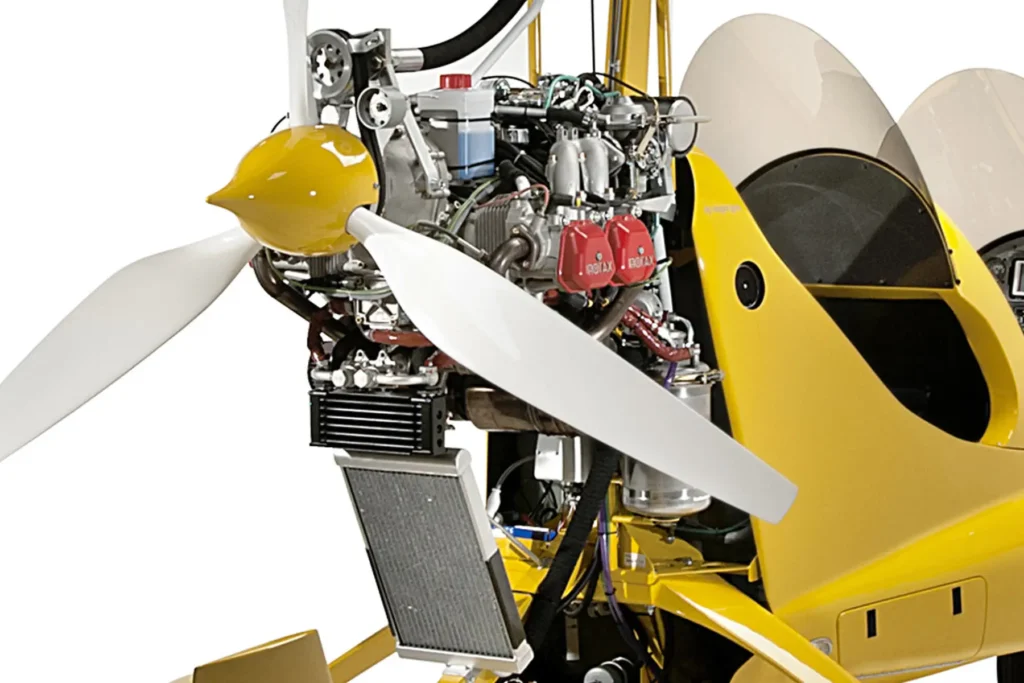
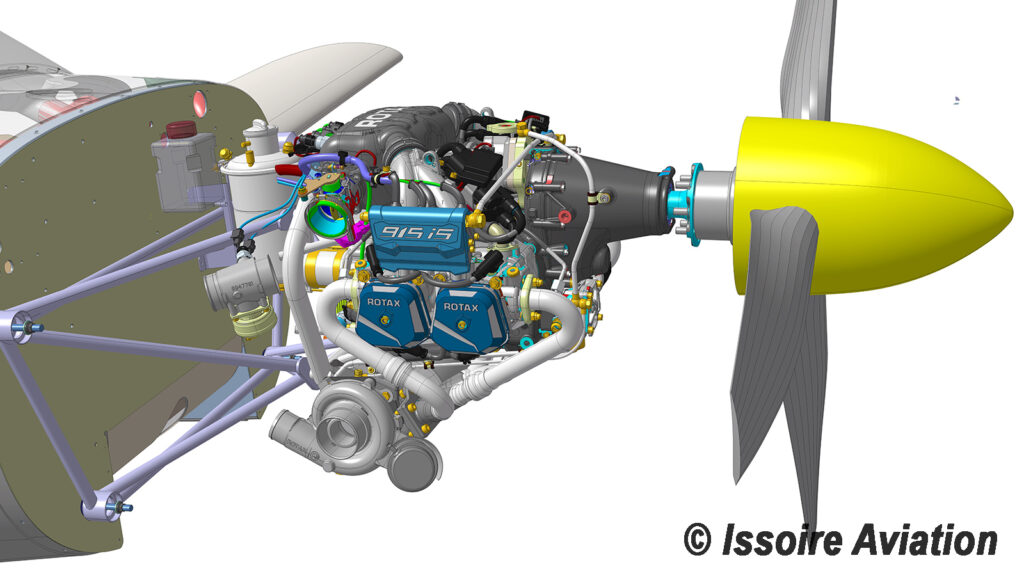
Engine Inspection
The engine should be inspected thoroughly before every flight.
Key inspection items include:
Oil System
Verify:
- Oil quantity
- Oil leaks
- Oil filter condition
- Proper servicing intervals
Cooling System
Inspect:
- Coolant levels
- Hoses
- Clamps
- Radiator condition
Fuel System
Check:
- Fuel quantity
- Fuel quality
- Fuel caps
- Fuel lines
- Fuel filters
Many experienced pilots perform fuel sampling whenever possible to identify contamination or water accumulation.
Engine Mounts
Inspect:
- Mounting bolts
- Rubber isolators
- Structural integrity
Engine vibration naturally places stress on mounting components over time.
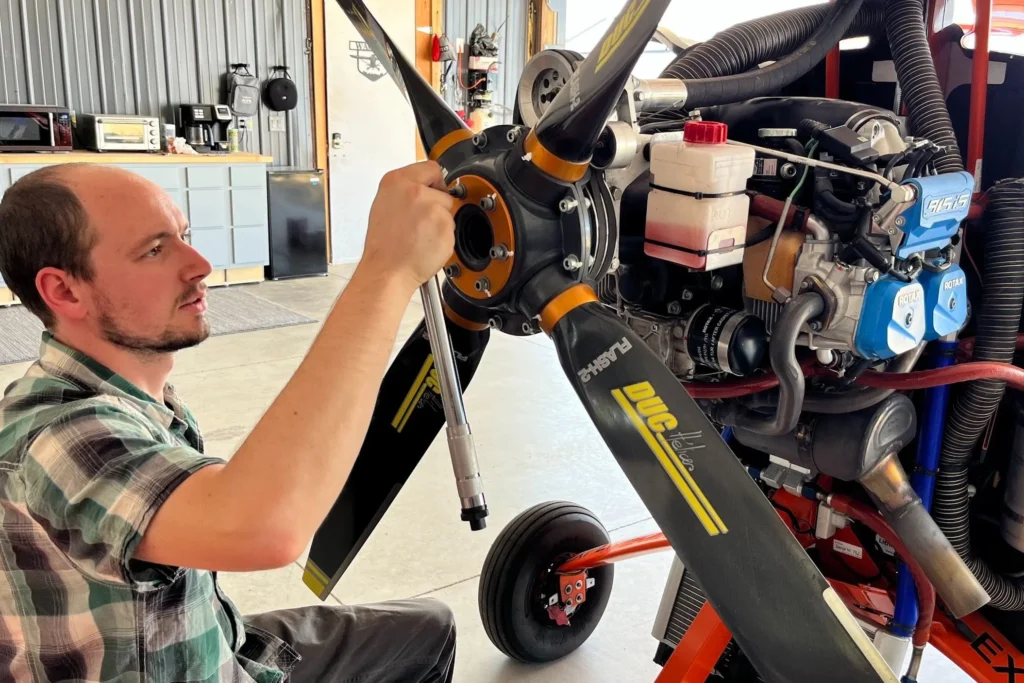
Propeller Inspection
The propeller converts engine power into forward thrust and should always receive careful attention.
Inspect for:
- Surface damage
- Cracks
- Loose bolts
- Leading edge wear
- Proper blade security
Composite propellers should be inspected for:
- Delamination
- Impact damage
- Structural abnormalities
Never fly with a damaged propeller.
Flight Control Inspection
Gyroplanes utilize relatively simple flight control systems, but every component must operate smoothly.
Verify:
- Control stick movement
- Rudder pedal operation
- Linkage security
- Trim systems
- Cable conditions
Control movements should feel:
- Smooth
- Consistent
- Free of binding
Abnormal resistance or unusual play should always be investigated.
Landing Gear and Brakes
Landing gear inspections are particularly important when operating from:
- Grass strips
- Unprepared surfaces
- Training airfields
Inspect:
- Tire pressure
- Wheel condition
- Brake assemblies
- Hydraulic components
- Fasteners
Properly functioning brakes contribute significantly to safe taxi operations and short-field performance.
Cabin Inspection
For enclosed gyroplanes, inspect:
- Doors and locks
- Seat belts
- Window integrity
- Ventilation systems
- Heating systems
- Interior fittings
Ensure that:
- Seats are secure.
- Passenger restraints are functional.
- Loose objects are removed.
Unsecured items can become hazardous during flight.
Avionics and Electrical Systems
Modern gyroplanes frequently include advanced avionics systems.
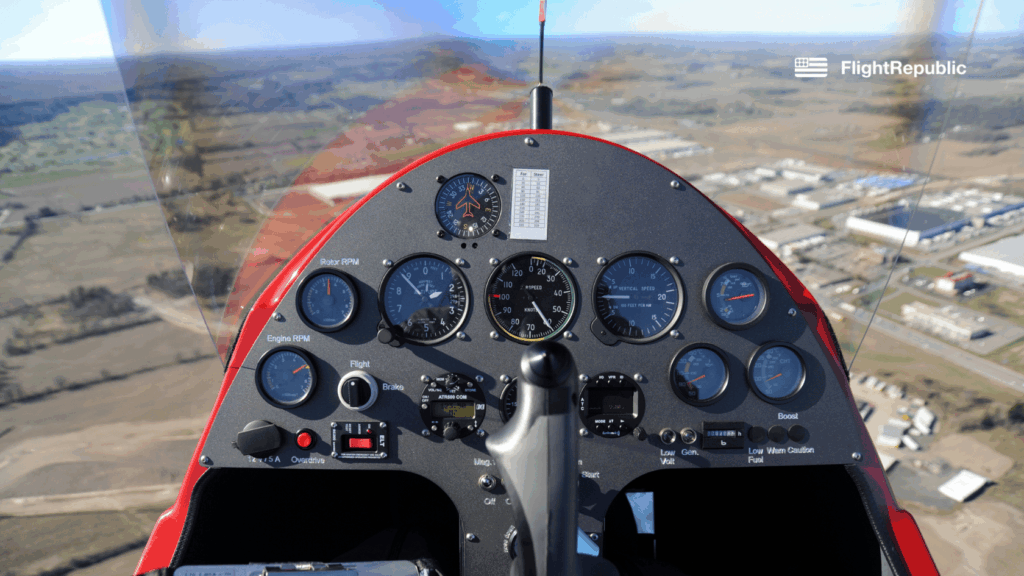
Before flight, verify the operation of:
- Radios
- GPS units
- Engine monitoring systems
- Flight displays
- Intercom systems
- Electrical switches
- Warning indicators
Electrical system failures are often preventable through regular inspections and proper maintenance practices.
Emergency Equipment Check
Depending on your aircraft configuration and local regulations, emergency equipment may include:
- Fire extinguishers
- First aid kits
- Emergency locator devices
- Survival equipment
- Ballistic parachute systems
Ensure that all equipment is:
- Present
- Accessible
- Properly maintained
Before Engine Start
Immediately before engine start, confirm:
- Rotor blades are secure.
- Control surfaces move freely.
- Fuel levels are adequate.
- Passenger briefings are complete.
- Flight documents are available.
- Weather conditions remain acceptable.
Many pilots utilize printed or laminated checklists during this stage.
The Importance of Checklists
Even highly experienced airline pilots rely on checklists.
Using a checklist helps prevent:
- Missed inspection items
- Procedural errors
- Unsafe departures
A typical gyroplane checklist may include:
Exterior Inspection
- Rotor blades
- Rotor head
- Mast bolts
- Landing gear
- Propeller
- Fuel system
Engine Inspection
- Oil
- Coolant
- Fuel quantity
- Engine mounts
Cockpit Inspection
- Controls
- Instruments
- Seat belts
- Radios
Before Takeoff
- Rotor RPM verification
- Prerotator operation
- Flight controls
- Weather assessment
Creating a personal checklist that follows your manufacturer’s recommendations is highly recommended.
Common Mistakes Pilots Make
Experienced instructors frequently observe the following errors:
- Rushing inspections
- Skipping familiar procedures
- Failing to use checklists
- Ignoring minor abnormalities
- Flying after long periods of aircraft inactivity without additional inspections
Complacency is one of the greatest threats to aviation safety.
Every flight should be treated with the same level of professionalism, whether it is a ten-minute local hop or a multi-hour cross-country adventure.
Developing Good Maintenance Habits
Good maintenance begins with consistent habits.
Professional gyroplane owners typically:
- Clean their aircraft regularly.
- Record maintenance activities.
- Monitor component wear.
- Follow manufacturer service schedules.
- Conduct detailed seasonal inspections.
Preventive maintenance remains significantly less expensive than major repairs resulting from neglected inspections.
Final Thoughts
Pre-flight inspections are among the simplest and most effective ways to improve gyroplane safety. Modern gyroplanes are reliable, forgiving, and exceptionally capable aircraft, but their performance ultimately depends on the attention and discipline of their pilots.
Inspecting rotor blades, mast bolts, prerotator belts, engine components, and flight controls before every flight should become second nature. Establishing a consistent checklist routine not only reduces mechanical risks but also builds confidence in both pilot and machine.
A successful flight begins long before takeoff. By investing a few extra minutes in proper maintenance and inspection procedures, gyroplane pilots can enjoy thousands of hours of safe, memorable, and trouble-free flying experiences.