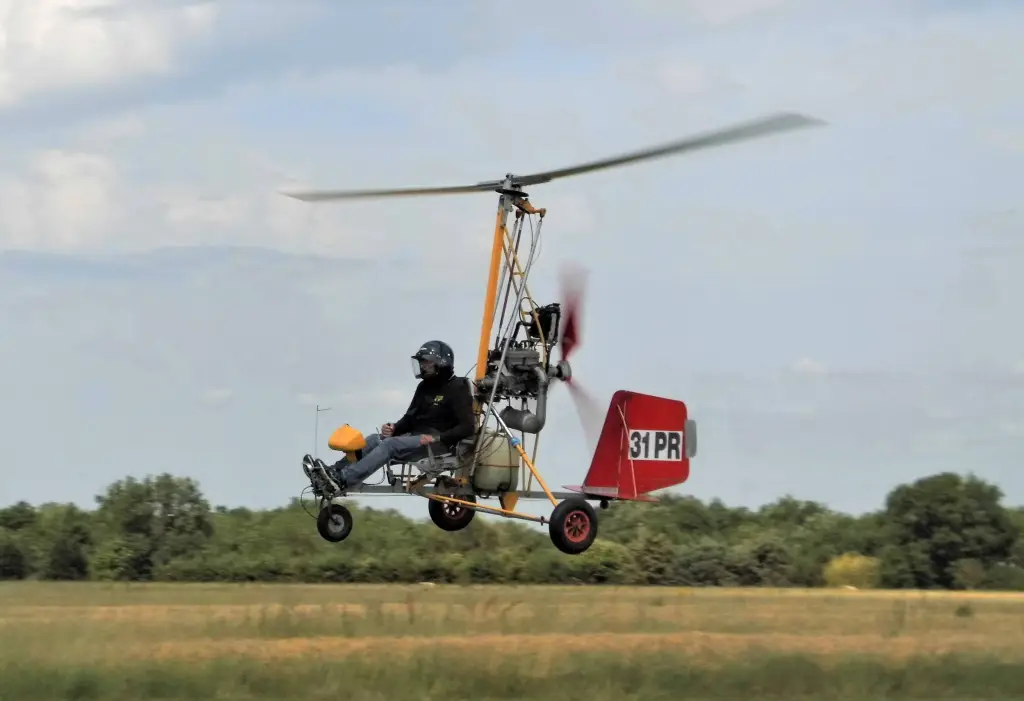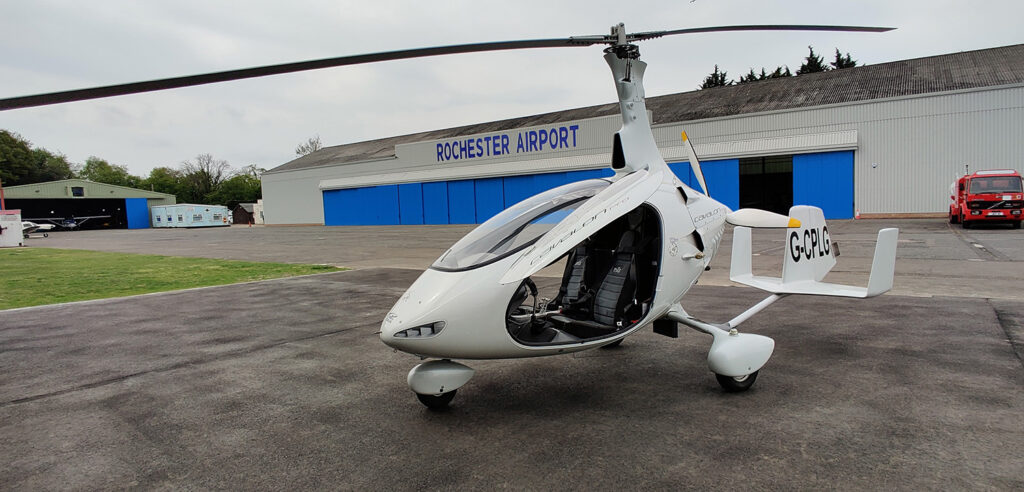
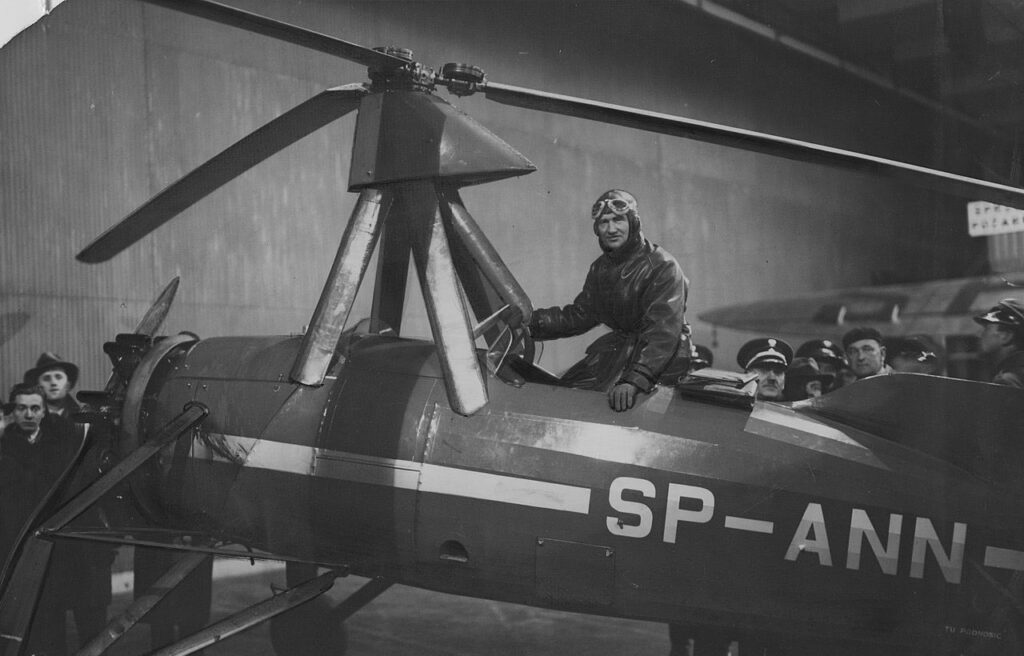
Few aircraft in aviation history have followed a path as fascinating as the gyroplane. Born from tragedy, driven by innovation, and nearly forgotten for several decades, the gyroplane has transformed into one of the most exciting and fastest-growing segments of modern recreational aviation.
Today, modern gyroplanes combine cutting-edge materials, advanced avionics, and exceptional safety characteristics, attracting thousands of pilots worldwide. Yet their origins date back more than a century to a Spanish engineer who sought to solve one of aviation’s greatest challenges.
This is the remarkable story of how the gyroplane evolved from an experimental aircraft of the 1920s into a sophisticated flying machine of the 21st century.
The Birth of an Idea
The history of the gyroplane begins with Spanish engineer and aviation pioneer Juan de la Cierva.
In the early 1920s, aviation was still in its infancy. Aircraft engines were unreliable, aerodynamics were poorly understood, and stall-related accidents were common. Fixed-wing airplanes frequently crashed when pilots lost sufficient airspeed during takeoff or landing.
Juan de la Cierva became particularly interested in one fundamental question:
Could an aircraft be designed that simply could not stall?
His motivation was personal. In 1919, one of his aircraft projects crashed shortly after takeoff because of aerodynamic stall characteristics. Rather than accepting the limitations of conventional aircraft design, he began developing an entirely new concept of flight.
The result would eventually become the world’s first practical gyroplane.
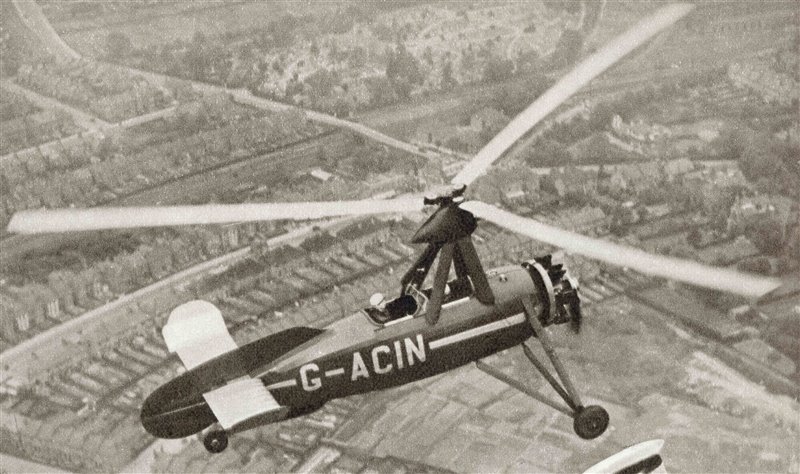
What Problem Was He Trying to Solve?
Traditional airplanes rely on fixed wings to generate lift. If airflow over those wings becomes insufficient, the aircraft stalls and loses lift.
De la Cierva envisioned an aircraft capable of:
- Flying safely at low speeds.
- Maintaining lift during engine problems.
- Remaining controllable in turbulent conditions.
- Reducing the risk of aerodynamic stalls.
Instead of fixed wings, he experimented with freely rotating rotor blades mounted above the fuselage.
His revolutionary idea was simple:
Let the airflow spin the rotor naturally and use its aerodynamic properties to generate lift.
This principle became known as autorotation and remains the foundation of every modern gyroplane.
The First Gyroplanes
Between 1920 and 1923, Juan de la Cierva built several experimental aircraft.
His early prototypes faced numerous challenges:
- Rotor blade imbalance
- Excessive vibration
- Stability issues
- Limited control authority
Several designs failed before achieving successful flight.
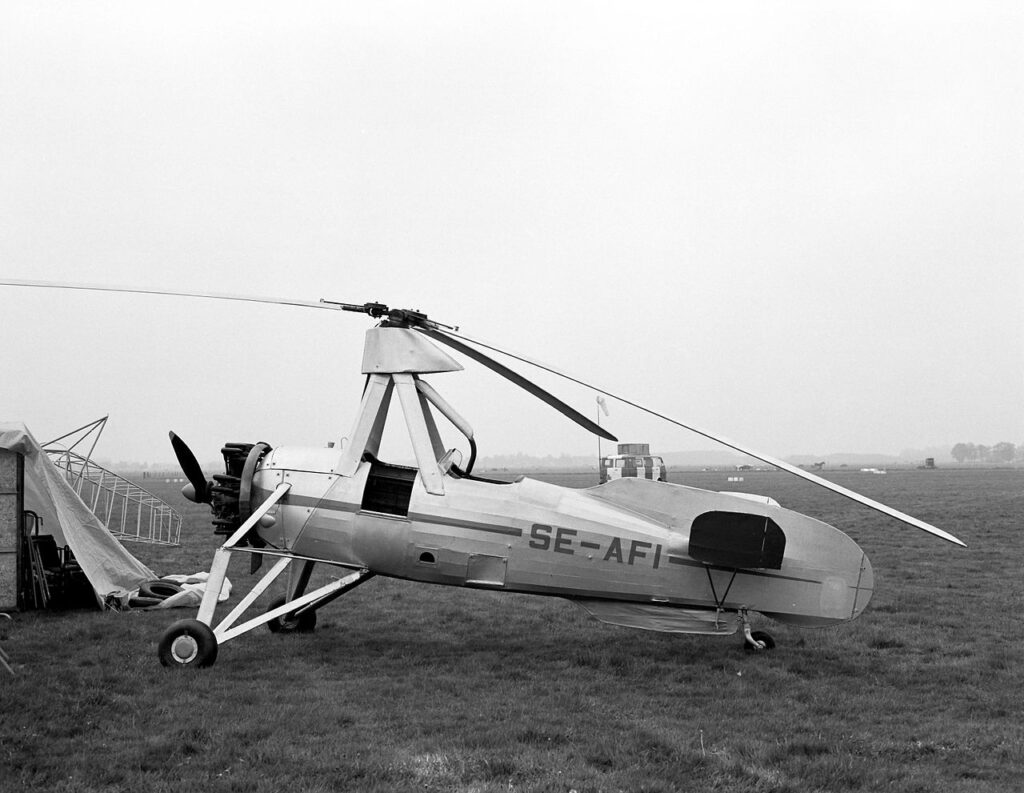
Finally, in January 1923, the Cierva C.4 made history by becoming the world’s first practical gyroplane capable of controlled and sustained flight.
This achievement marked a major milestone in aviation.
The C.4 demonstrated that:
- Autorotation could reliably generate lift.
- Rotary-wing aircraft could achieve stable flight.
- Stalls could effectively be eliminated.
- Rotorcraft technology had enormous potential.
Many aviation historians consider the Cierva C.4 one of the most important experimental aircraft ever built.
The Rotor Revolution
One of Juan de la Cierva’s greatest contributions was the development of the articulated rotor system.
Early gyroplanes suffered from severe aerodynamic problems because the advancing rotor blade generated more lift than the retreating blade.
Without compensation, the aircraft would roll violently during flight.
De la Cierva solved this issue by introducing:
- Flapping hinges
- Drag hinges
- Articulated rotor heads
These innovations allowed rotor blades to move independently and equalize lift across the rotor disc.
Remarkably, many of these engineering principles are still used in modern helicopters today.
In fact, helicopter designers heavily borrowed rotor technology pioneered by gyroplane development during the 1920s and 1930s.
The Golden Age of Early Gyroplanes
During the late 1920s and early 1930s, gyroplanes attracted significant international attention.
Several countries began experimenting with rotary-wing aviation, including:
- Spain
- United Kingdom
- France
- Germany
- United States
Manufacturers and governments recognized their potential for:
- Military observation
- Mail delivery
- Pilot training
- Experimental aviation
- Commercial transportation
Gyroplanes quickly became symbols of technological progress.
Large aviation companies began licensing Cierva’s patents and developing their own aircraft.
Some early gyroplanes even operated from the rooftops of buildings and demonstrated remarkably short landing capabilities.
The Helicopter Changes Everything
By the late 1930s and early 1940s, helicopter technology began advancing rapidly.
Unlike gyroplanes, helicopters offered capabilities that were previously unimaginable:
- Vertical takeoff
- Hovering flight
- Vertical landings
- Increased maneuverability
Military interest during World War II accelerated helicopter development dramatically.
The advantages of helicopters for military and rescue operations caused gyroplanes to lose much of their commercial appeal.
As helicopter technology matured, gyroplanes gradually disappeared from mainstream aviation.
By the 1950s and 1960s, they were largely considered obsolete.
For many aviation enthusiasts, it appeared that the gyroplane’s story had come to an end.
The Forgotten Decades
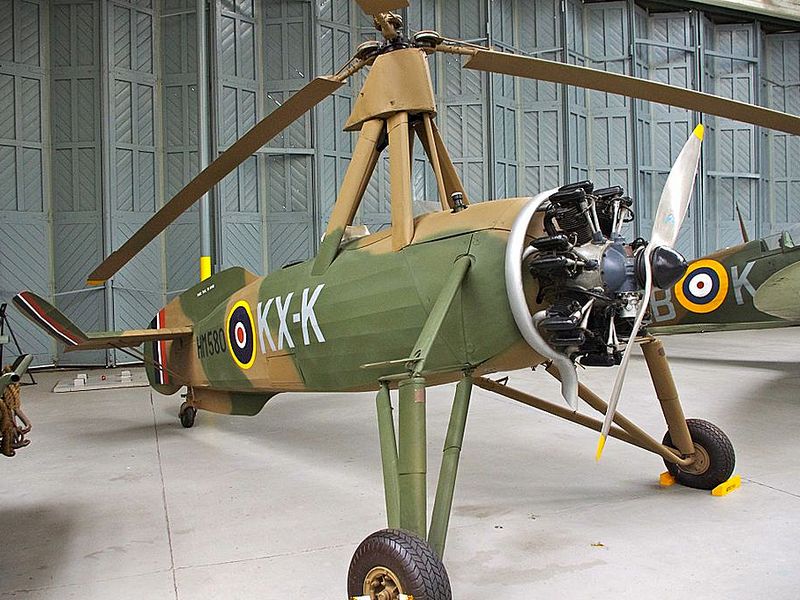
For several decades, gyroplanes survived primarily through small groups of aviation hobbyists.
During this period:
- Experimental builders continued developing designs.
- Amateur aviation communities preserved the technology.
- Small manufacturers introduced homebuilt kits.
- Rotor systems gradually improved.
Although they never completely disappeared, gyroplanes occupied only a niche position within experimental aviation.
Many pilots simply viewed them as historical curiosities rather than practical aircraft.
However, technological progress would soon change everything.
The Modern Gyroplane Renaissance
The gyroplane’s revival began during the 1980s and accelerated significantly in the 1990s and early 2000s.
Several major developments contributed to its resurgence:
Advanced Materials
Modern gyroplanes benefit from:
- Composite materials
- Carbon fiber components
- Aerospace-grade aluminum
- Improved manufacturing techniques
These advancements reduced aircraft weight while increasing durability and performance.
Reliable Aviation Engines
One of the most important breakthroughs was the introduction of modern light aviation engines.
Popular powerplants include:
- Rotax 912
- Rotax 914
- Rotax 915 iS
- Rotax 916 iS
These engines offer:
- Excellent reliability
- Low fuel consumption
- Modern electronic systems
- Long service intervals
Reliable engines significantly improved operational safety and reduced maintenance costs.
Improved Aerodynamics
Modern gyroplanes are dramatically different from early experimental designs.
Today’s aircraft feature:
- Optimized rotor heads
- Advanced rotor blade profiles
- Streamlined fuselages
- Improved weight distribution
- Enhanced stability systems
Manufacturers have spent decades refining flight characteristics and pilot ergonomics.
As a result, contemporary gyroplanes are:
- Safer
- Faster
- More comfortable
- Easier to fly
Modern Manufacturers Leading the Industry
Today’s gyroplane market is dominated by highly specialized manufacturers that produce certified or factory-built aircraft for international customers.
Leading companies have developed sophisticated models featuring:
- Enclosed cabins
- Cabin heating systems
- Glass cockpit avionics
- Long-range fuel tanks
- Electric trim systems
- Advanced communication equipment
Modern gyroplanes are used throughout:
- Europe
- North America
- Australia
- South Africa
- Asia
Their applications continue expanding across recreational and professional aviation sectors.
Why Gyroplanes Are Growing in Popularity
Several factors explain the remarkable growth of gyroplane aviation worldwide.
Safety
Gyroplanes are widely appreciated for:
- Continuous autorotation flight
- Resistance to aerodynamic stalls
- Excellent low-speed handling
- Stable flight characteristics
Cost Efficiency
Compared with helicopters, gyroplanes offer significantly lower:
- Purchase prices
- Maintenance costs
- Fuel consumption
- Insurance expenses
- Operating costs
Flying Experience
Pilots often describe gyroplane flying as a unique combination of:
- Motorcycle freedom
- Helicopter visibility
- Airplane efficiency
Both open-cockpit and enclosed-cabin designs provide exceptional panoramic views and an immersive flying experience.
The Future of Gyroplanes
Modern gyroplane development shows no signs of slowing down.
Current trends include:
- Digital avionics integration
- Improved composite rotor blades
- More fuel-efficient engines
- Enhanced cabin comfort
- Advanced safety systems
- Increasing certification standards
Some manufacturers are also exploring:
- Hybrid propulsion systems
- Electric power technologies
- Autonomous flight assistance
- Enhanced weather capabilities
The modern gyroplane has evolved far beyond Juan de la Cierva’s original concept while remaining true to the fundamental principle that made it revolutionary nearly one hundred years ago.
Why the Gyroplane Endured
The gyroplane’s survival is a testament to the strength of its original design philosophy.
It successfully offers:
- Exceptional safety
- Mechanical simplicity
- Flying enjoyment
- Cost-effective ownership
- Modern performance capabilities
What began as an attempt to eliminate stall accidents ultimately became one of the most versatile and enjoyable categories of light aircraft.
Today, gyroplanes occupy a unique position in aviation. They bridge the gap between airplanes and helicopters while offering advantages that neither can fully replicate.
Final Thoughts
The history of the gyroplane is one of innovation, perseverance, and technological evolution. From Juan de la Cierva’s pioneering experiments in the 1920s to today’s sophisticated touring aircraft, gyroplanes have continually demonstrated their value to pilots around the world.
Once considered a forgotten chapter of aviation history, the gyroplane has re-emerged as one of the fastest-growing sectors of recreational and light sport aviation. Its combination of safety, affordability, and pure flying enjoyment ensures that this remarkable aircraft will continue inspiring future generations of aviators.
More than a century after its invention, the gyroplane remains exactly what Juan de la Cierva envisioned—a safer and more accessible way to experience the freedom of flight.