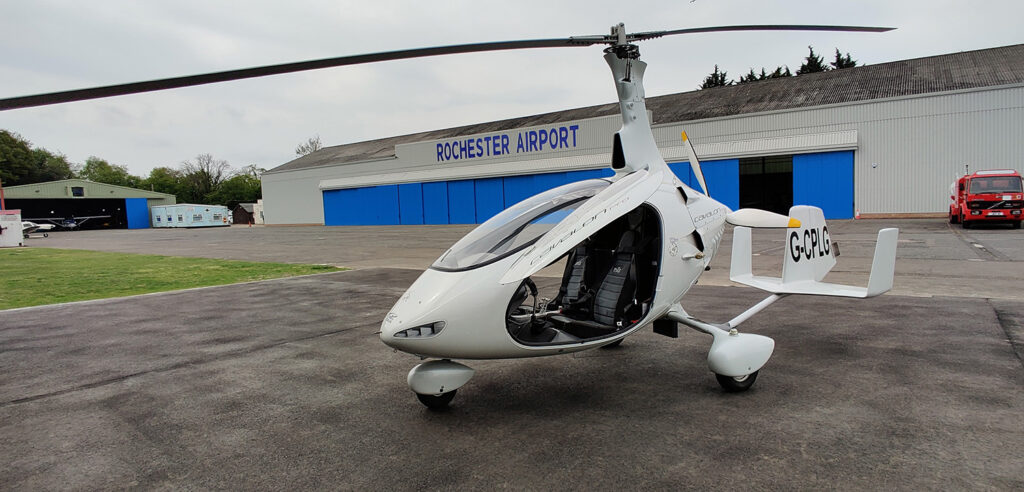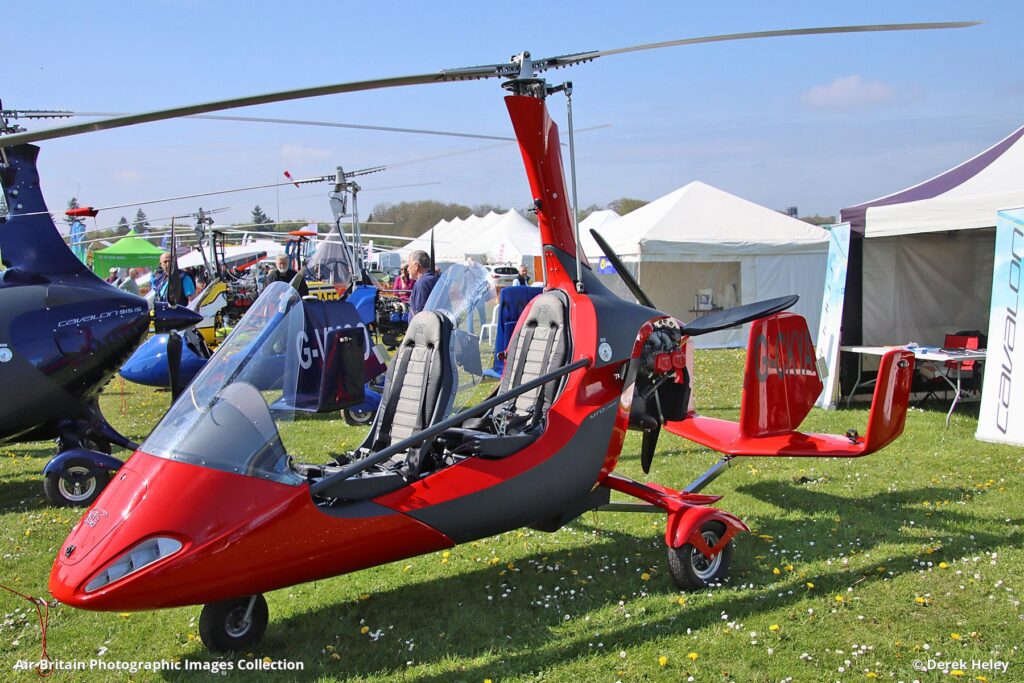
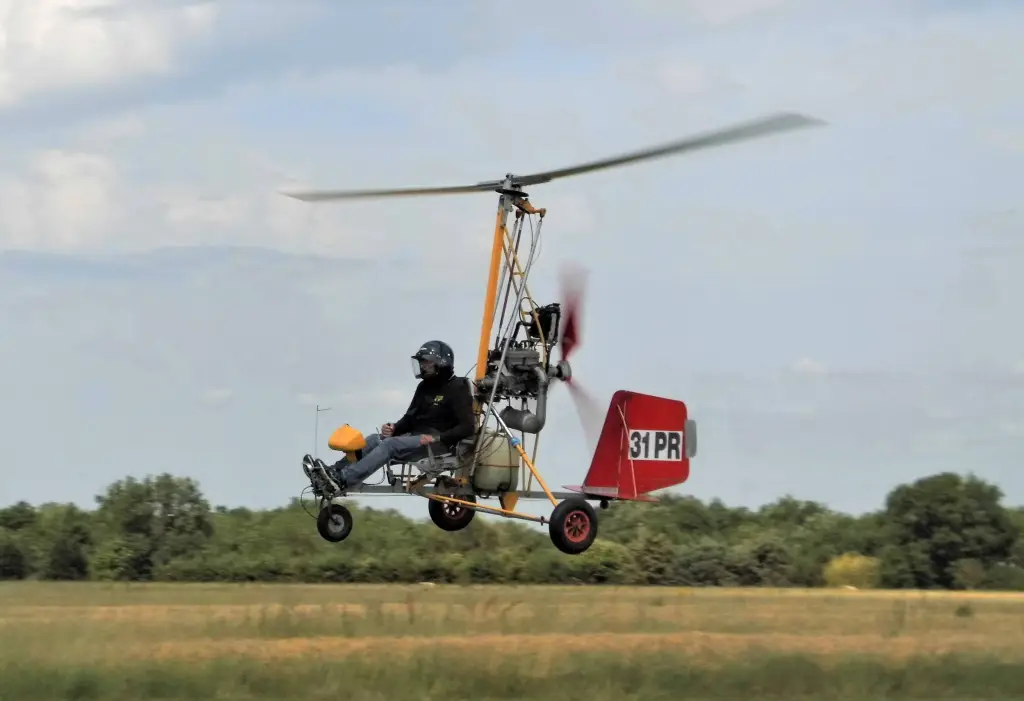
For many aviation enthusiasts, owning a personal aircraft seems like an unattainable dream reserved for airline captains and wealthy entrepreneurs. However, the modern gyroplane has significantly changed that perception. Compared to helicopters and even some light sport airplanes, gyroplanes offer one of the most affordable entry points into private aviation.
But how much does it actually cost to own a gyroplane?
The answer depends on several factors, including the aircraft model, annual flight hours, hangar fees, fuel consumption, maintenance requirements, and local aviation regulations. While gyroplanes are considerably more economical than helicopters, prospective owners should understand that aircraft ownership always involves ongoing expenses beyond the initial purchase price.
This article breaks down the real costs of owning and operating a modern gyroplane, providing realistic estimates for both recreational pilots and serious cross-country flyers.
The Initial Purchase Price
The largest expense is, of course, buying the aircraft itself.
Modern factory-built gyroplanes vary significantly in price depending on:
- Cabin type
- Engine configuration
- Avionics package
- Manufacturer
- Additional options
Typical price ranges include:
| Gyroplane Type | Estimated Price |
|---|---|
| Open-cockpit entry-level models | €45,000 – €70,000 |
| Mid-range recreational gyroplanes | €70,000 – €100,000 |
| Premium enclosed-cabin models | €100,000 – €160,000+ |
| Fully equipped touring gyroplanes | €160,000 – €220,000+ |
Popular upgrades that influence the final price include:
- Rotax 915 iS engines
- Glass cockpit avionics
- Cabin heating systems
- Long-range fuel tanks
- Custom paint schemes
- Ballistic parachute systems
- Premium interiors
Purchasing a used gyroplane can significantly reduce acquisition costs, provided that maintenance records and inspection reports are thoroughly reviewed.
Hangar Costs
Protecting your aircraft from the elements is essential for preserving its value and reducing maintenance requirements.
Monthly hangar rental costs vary considerably depending on:
- Country
- Airport location
- Type of hangar facility
- Shared or private storage arrangements
Typical monthly expenses include:
| Storage Type | Estimated Monthly Cost |
|---|---|
| Shared hangar | €50 – €150 |
| Small private hangar | €150 – €400 |
| Premium airport facilities | €400 – €800+ |
Annual hangar costs can therefore range from approximately:
- €600 per year for economical storage
- €5,000 or more at premium aviation facilities
Indoor storage is highly recommended for gyroplanes equipped with:
- Composite components
- Advanced avionics
- Enclosed cabins
- Premium interiors
Proper storage extends the lifespan of rotor blades, upholstery, electronics, and cabin materials.
Fuel Consumption
One of the gyroplane’s greatest advantages is its fuel efficiency.
Most modern gyroplanes are powered by Rotax engines, which are known for their reliability and economical fuel consumption.
Typical fuel burn rates are:
| Engine Type | Fuel Consumption |
|---|---|
| Rotax 912 ULS | 15–20 L/hour |
| Rotax 914 | 18–25 L/hour |
| Rotax 915 iS | 20–30 L/hour |
| Rotax 916 iS | 22–32 L/hour |
Many operators use automotive unleaded gasoline (A-95 or premium unleaded fuel), where approved by the engine manufacturer and local regulations.
For example:
Flying 50 Hours per Year
- Average fuel consumption: 20 L/hour
- Total fuel required: 1,000 liters
Flying 100 Hours per Year
- Total fuel required: 2,000 liters
Flying 150 Hours per Year
- Total fuel required: 3,000 liters
Your annual fuel budget will naturally depend on local fuel prices, but gyroplanes remain substantially more economical than helicopters, which may consume several times more fuel per hour.
Engine Maintenance Costs
The engine is one of the most important and valuable components of any gyroplane.
Routine maintenance typically includes:
- Oil changes
- Spark plug replacement
- Filter inspections
- Cooling system checks
- Gearbox inspections
- Scheduled component replacements
Owners should budget for:
Annual Maintenance
Typical costs may include:
| Maintenance Item | Estimated Cost |
|---|---|
| Oil and filters | €100 – €300 |
| Spark plugs | €50 – €150 |
| Routine inspection | €200 – €600 |
| Minor servicing | €300 – €700 |
Annual maintenance costs commonly range between:
- €500 and €1,500
depending on usage and maintenance schedules.
Engine Overhaul Costs
All aircraft engines have recommended overhaul intervals.
For Rotax engines, these intervals are generally measured in:
- Flight hours
- Calendar time
- Manufacturer recommendations
Major overhauls represent one of the most significant long-term ownership expenses.
Estimated overhaul costs:
| Engine | Estimated Overhaul Cost |
|---|---|
| Rotax 912 | €8,000 – €15,000 |
| Rotax 914 | €10,000 – €18,000 |
| Rotax 915 iS | €15,000 – €25,000 |
| Rotax 916 iS | €18,000 – €30,000 |
Although overhauls are infrequent, responsible owners typically allocate an engine reserve fund based on their annual flight hours.
Rotor System Maintenance
The rotor system is the defining component of every gyroplane.
Routine inspections include checking:
- Rotor blade surfaces
- Blade attachment points
- Rotor head bearings
- Mast bolts
- Prerotator mechanisms
- Rotor balance
Rotor blades generally have long service lives when properly maintained.
Maintenance costs are typically modest unless repairs or replacement become necessary.
Owners should regularly inspect:
- Paint condition
- Composite surfaces
- Fasteners
- Rotor head lubrication
- Mechanical play within control systems
Preventive maintenance is significantly less expensive than repairing damaged rotor components.
Insurance Costs
Insurance premiums vary depending on:
- Pilot experience
- Aircraft value
- Flight hours
- Country of registration
- Coverage options
Policies may include:
- Hull insurance
- Third-party liability coverage
- Passenger liability
- Theft protection
- Ground damage coverage
Typical annual insurance costs:
| Aircraft Value | Estimated Annual Premium |
|---|---|
| €50,000 | €500 – €1,200 |
| €100,000 | €800 – €2,000 |
| €150,000 | €1,200 – €3,500 |
| €200,000+ | €1,500 – €5,000+ |
Insurance requirements differ substantially across jurisdictions and aviation authorities.
Pilot Licensing and Training Costs
New owners must also budget for flight training and certification.
Training expenses typically include:
- Ground school
- Flight instruction
- Examination fees
- Medical certification
- Licensing costs
Depending on the country and licensing requirements, initial training costs may range from:
- €3,000 to €10,000+
Training quality should always take priority over cost considerations.
A well-trained gyroplane pilot benefits from:
- Improved safety
- Lower insurance premiums
- Greater confidence
- Enhanced aircraft handling skills
Annual Inspection Costs
Most gyroplanes undergo scheduled inspections that may include:
- Airframe examination
- Rotor system inspection
- Engine servicing
- Control system verification
- Documentation reviews
Typical annual inspection expenses may range between:
- €300 and €1,500
Factors influencing inspection costs include:
- Aircraft complexity
- National aviation regulations
- Service center rates
- Required replacement parts
Typical Annual Ownership Costs
Let us consider a realistic example.
Recreational Pilot
Annual flight time:
- 75 hours
Estimated yearly expenses:
| Expense | Annual Cost |
|---|---|
| Hangar rental | €1,200 |
| Fuel | €2,000 – €3,000 |
| Insurance | €1,000 |
| Routine maintenance | €800 |
| Annual inspection | €600 |
| Engine reserve fund | €1,000 |
| Miscellaneous expenses | €500 |
Total Estimated Annual Cost:
€7,000 – €8,000+
Active Touring Pilot
Annual flight time:
- 150 hours
Estimated expenses:
| Expense | Annual Cost |
|---|---|
| Hangar rental | €2,000 |
| Fuel | €4,000 – €6,000 |
| Insurance | €2,000 |
| Maintenance | €1,500 |
| Annual inspection | €800 |
| Engine reserve fund | €2,500 |
| Miscellaneous expenses | €1,000 |
Total Estimated Annual Cost:
€13,000 – €16,000+
Hidden Costs New Owners Often Forget
Many first-time buyers underestimate several ownership expenses.
These may include:
- Aviation headsets
- GPS equipment
- Radio upgrades
- Flight suits and helmets
- Pilot charts and subscriptions
- Aircraft cleaning supplies
- Spare tires
- Transportation to the airfield
- Avionics updates
Planning for unexpected maintenance expenses is always advisable.
Is Owning a Gyroplane Worth It?
From a purely financial perspective, aviation is rarely an inexpensive hobby.
However, compared to helicopters or traditional general aviation aircraft, gyroplanes offer remarkable value.
Their advantages include:
- Lower fuel consumption
- Affordable maintenance
- Excellent reliability
- Modern safety characteristics
- Exceptional recreational value
- Lower infrastructure requirements
Many owners discover that the operating costs are comparable to other premium recreational activities such as:
- Sailing
- Motorsport
- High-performance motorcycles
- Recreational boating
The difference is simple:
Few hobbies allow you to watch the sunrise from 2,000 feet while cruising across the countryside.
Tips for Reducing Ownership Costs
Prospective owners can significantly reduce annual expenses by:
- Flying regularly to maximize value.
- Joining aviation clubs.
- Sharing hangar space.
- Purchasing well-maintained used aircraft.
- Following manufacturer maintenance schedules.
- Investing in proper storage facilities.
- Completing advanced pilot training.
Proper planning makes gyroplane ownership far more affordable than many newcomers expect.
Final Thoughts
Owning a gyroplane is an investment in both aviation and lifestyle. While purchase prices and annual expenses should never be underestimated, modern gyroplanes remain among the most economical and practical forms of personal aircraft ownership available today.
A well-maintained gyroplane can provide thousands of hours of safe and enjoyable flying at a fraction of the operating costs associated with helicopters or larger general aviation aircraft. By understanding the true economics of ownership—from hangar fees and fuel consumption to maintenance reserves and pilot training—you can make informed financial decisions before taking to the skies.
For many pilots, the rewards of gyroplane ownership are difficult to quantify. The freedom to explore, travel, and experience flight from an entirely new perspective makes every hour in the air well worth the investment.