For many aviation enthusiasts, flying a gyroplane is only half the adventure. The other half lies in designing, assembling, and understanding every component of the aircraft with their own hands. Building a gyroplane from plans or a KIT package has become increasingly popular worldwide, offering pilots the opportunity to save money, gain invaluable technical experience, and create a truly personal aircraft.
Modern gyroplane KIT manufacturers have made amateur aircraft construction more accessible than ever before. Today, builders can choose between complete factory-engineered KIT packages, partially assembled airframes, or even constructing an aircraft entirely from technical drawings and individual components.
However, building an aircraft is a serious undertaking. It requires time, patience, technical knowledge, proper planning, and a clear understanding of the legal requirements in your country. Before purchasing rotor blades or installing an engine, every future builder should know what the project will realistically involve.
This guide explains the first steps of gyroplane construction, compares plans-built and KIT-built approaches, and provides practical advice for setting up your workshop and navigating legal considerations.
Why Build a Gyroplane Yourself?
There are several reasons why aviation enthusiasts decide to build their own gyroplane.
Some builders are motivated by:
- Lower acquisition costs
- Technical curiosity
- Personal customization options
- Educational value
- The satisfaction of flying an aircraft they assembled themselves
Others simply enjoy the engineering challenge.
Building an aircraft allows owners to develop an intimate understanding of:
- Airframe construction
- Rotor systems
- Flight controls
- Engine installation
- Electrical systems
- Maintenance procedures
This knowledge often translates into greater confidence during ownership and easier troubleshooting throughout the aircraft’s service life.
Plans-Built vs KIT-Built Gyroplanes
The first major decision is choosing between building from technical plans or purchasing a factory-produced KIT.
Building from Plans
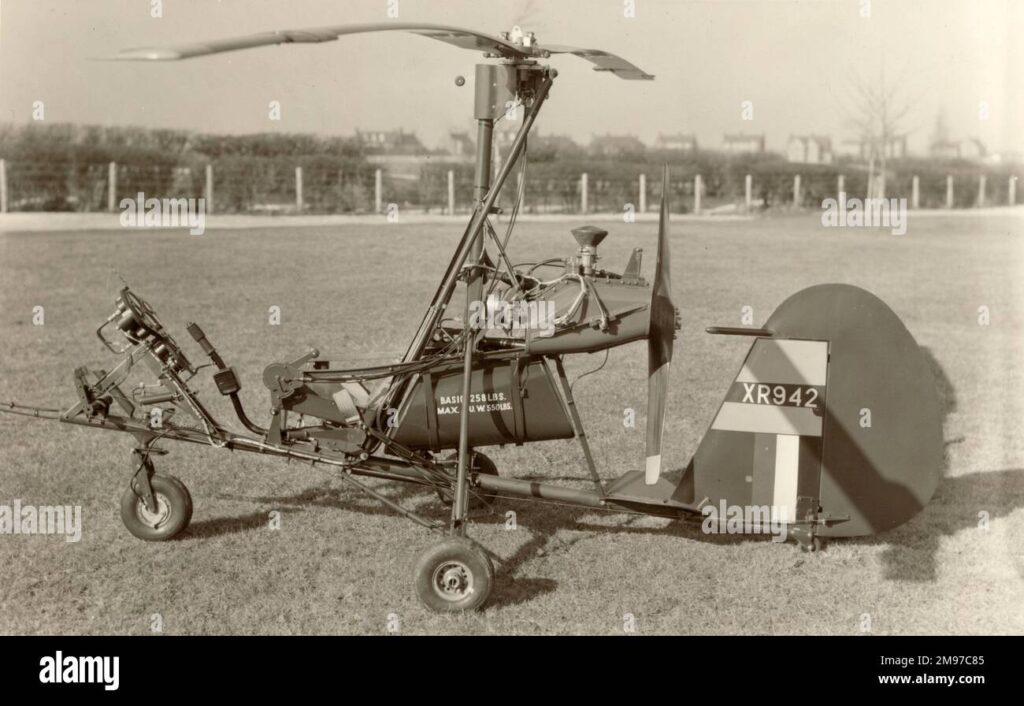
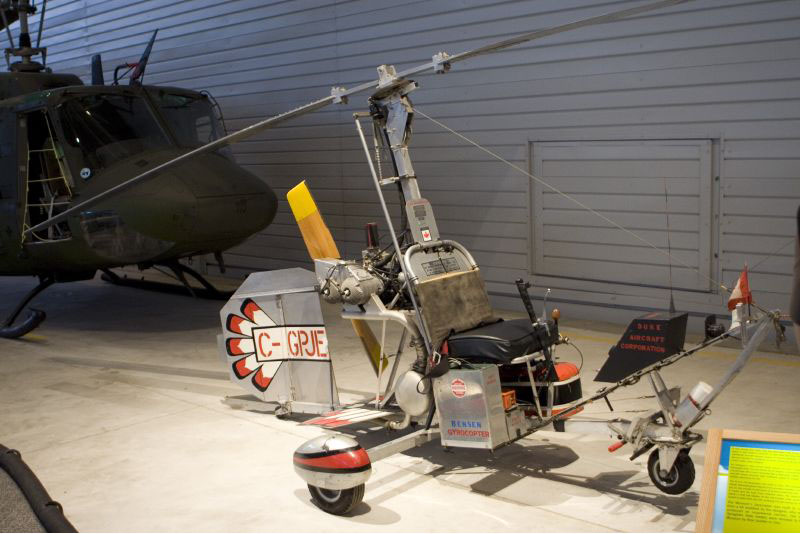
Plans-built aircraft are constructed using engineering drawings and specifications provided by the designer.
The builder is responsible for sourcing:
- Raw materials
- Hardware
- Engine components
- Rotor systems
- Instruments
- Wiring
- Various structural elements
Advantages include:
- Maximum customization
- Lower material costs
- Greater educational value
- Freedom to modify certain systems (where permitted)
Disadvantages include:
- Longer construction times
- Increased technical complexity
- Greater responsibility for component sourcing
- Higher risk of construction errors
Building from plans is generally recommended for experienced hobbyists with strong mechanical or engineering skills.
Building from a KIT Package
KIT aircraft are supplied by manufacturers as pre-engineered construction packages.
Depending on the manufacturer, a KIT may include:
- Airframe components
- Rotor head assembly
- Rotor blades
- Landing gear
- Control systems
- Fuel system components
- Hardware and fasteners
- Assembly manuals
Some premium kits arrive partially assembled, dramatically reducing build time.
Advantages include:
- Proven engineering
- Detailed assembly instructions
- Manufacturer support
- Faster completion times
- Easier certification processes in many countries
Disadvantages include:
- Higher purchase prices
- Less flexibility for customization
- Limited design modifications
For first-time builders, a gyroplane KIT is often the safest and most practical option.
Understanding Local Aviation Regulations
Before purchasing any components, builders should familiarize themselves with local aviation laws and certification requirements.
Regulations differ significantly between countries and may affect:
- Amateur-built aircraft registration
- Pilot licensing requirements
- Flight testing procedures
- Airworthiness inspections
- Maintenance documentation
- Aircraft modifications
Important questions include:
- Is amateur aircraft construction legally permitted?
- Are gyroplanes regulated separately from ultralight aircraft?
- What percentage of the aircraft must be personally assembled?
- Is flight testing required?
- Which aviation authority governs registration?
Consulting local aviation organizations before beginning construction can save significant time and expense later in the project.
Choosing Your Gyroplane Design
Modern gyroplanes are available in various configurations.
Popular options include:
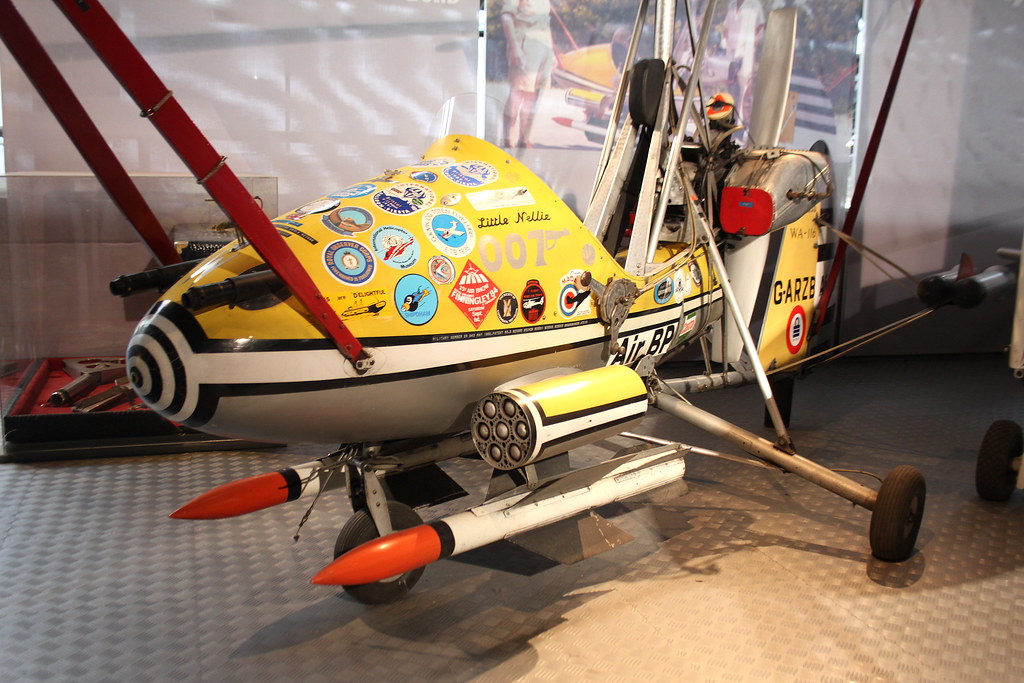
Open-Cockpit Designs
Advantages:
- Lower weight
- Simpler construction
- Reduced costs
- Easier maintenance
Ideal for:
- Recreational flying
- Flight training
- Fair-weather operations
Enclosed-Cabin Designs
Advantages:
- Improved comfort
- Better weather protection
- Touring capabilities
- Enhanced passenger experience
Ideal for:
- Cross-country flying
- Year-round operations
- Long-distance travel
Builders should carefully consider their intended mission profile before selecting a design.
Setting Up Your Workshop
Aircraft construction requires an organized and safe workspace.
An ideal workshop should provide:
- Adequate lighting
- Good ventilation
- Electrical outlets
- Temperature control
- Secure storage areas
- Sufficient working space
Even a standard two-car garage can often accommodate a gyroplane construction project.
The workspace should allow enough room for:
- Rotor blade storage
- Airframe assembly
- Engine installation
- Electrical work
- Final inspections
Keeping the workshop clean and organized greatly improves construction quality and safety.
Essential Tools for Beginners
Fortunately, most gyroplane projects do not require highly specialized industrial equipment.
Common tools include:
- Torque wrenches
- Rivet tools
- Electric drills
- Measuring instruments
- Socket and wrench sets
- Precision calipers
- Safety wire pliers
- Digital levels
- Multimeters
- Aviation-grade hand tools
Builders working with composite materials may also require:
- Protective equipment
- Sanding tools
- Resin application supplies
- Precision cutting equipment
Investing in quality tools often pays dividends throughout the project.
Selecting the Engine
Engine selection is one of the most important decisions during construction.
Popular options include:
Aviation Engines
The most widely used choices are:
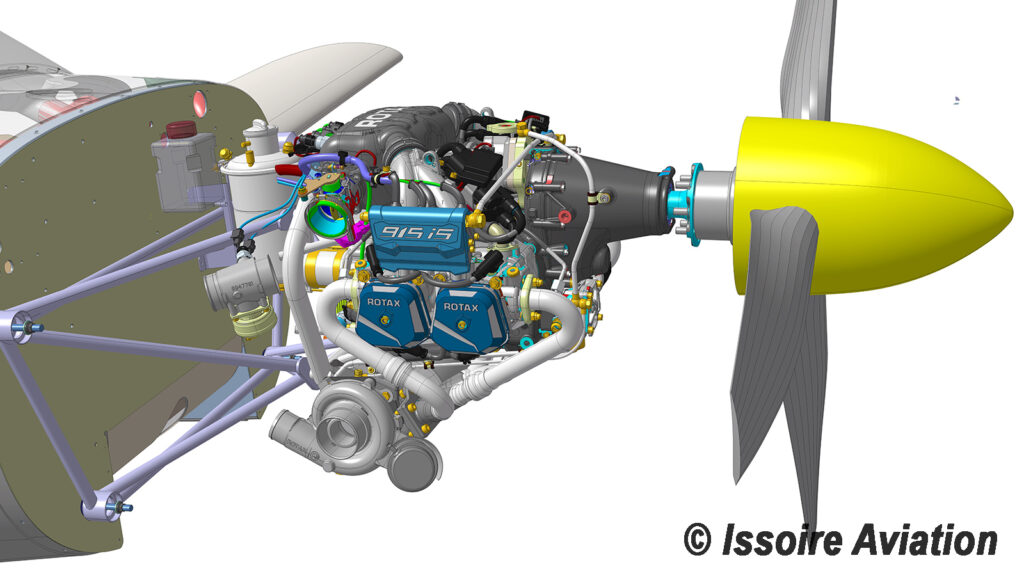
- Rotax 912
- Rotax 914
- Rotax 915 iS
- Rotax 916 iS
Advantages include:
- Proven reliability
- Manufacturer support
- Excellent fuel economy
- Extensive documentation
Automotive Engine Conversions
Some builders prefer converted automotive engines such as:
- Subaru
- Suzuki
- Yamaha
- Honda
Advantages may include:
- Lower purchase prices
- Parts availability
- Increased customization possibilities
However, engine conversions generally require:
- Additional engineering considerations
- Extensive testing
- Greater mechanical knowledge
For first-time builders, aviation-certified engines remain the most practical choice.
Rotor System Considerations
The rotor system is the most critical aerodynamic component of the aircraft.
Builders should avoid compromising on rotor quality.
Key considerations include:
- Blade material
- Rotor diameter
- Weight specifications
- Manufacturer recommendations
- Rotor head compatibility
Rotor blades are typically manufactured from:
- Aluminum alloys
- Composite materials
- Hybrid constructions
Purchasing professionally manufactured rotor systems is strongly recommended unless the builder possesses extensive aerospace engineering experience.
Electrical and Avionics Systems
Modern gyroplanes can be surprisingly sophisticated.
Typical avionics installations may include:
- Radio communications equipment
- GPS navigation systems
- Engine monitoring instruments
- Transponders
- Electronic flight displays
- USB charging ports
Builders should carefully plan:
- Wire routing
- Electrical load calculations
- Circuit protection
- Future upgrade possibilities
Well-organized electrical systems significantly simplify maintenance.
Construction Timeline
The time required to complete a gyroplane depends on:
- Project complexity
- Builder experience
- Available working hours
- KIT completeness
Typical construction estimates include:
| Project Type | Estimated Build Time |
|---|---|
| Complete factory KIT | 150–300 hours |
| Advanced amateur KIT | 300–600 hours |
| Plans-built gyroplane | 500–1,200+ hours |
Many builders spend between six months and two years completing their aircraft.
Patience is essential throughout the process.
Budget Planning
Construction budgets should include more than the airframe itself.
Common expenses include:
- KIT package or plans
- Engine
- Rotor system
- Instruments
- Paint and finishing materials
- Workshop tools
- Registration fees
- Shipping costs
- Inspection expenses
Unexpected costs are almost inevitable during aircraft construction.
Setting aside an additional contingency budget is highly recommended.
Flight Testing
Completing construction does not immediately mean the aircraft is ready for unrestricted flight.
Flight testing typically involves:
- Ground handling evaluations
- Rotor system inspections
- Taxi tests
- Initial flight envelope exploration
- Performance verification
- Safety assessments
Newly built aircraft should be tested methodically and conservatively.
Whenever possible, experienced gyroplane instructors or inspectors should participate in the evaluation process.
Common Beginner Mistakes
First-time builders often encounter similar challenges.
Common mistakes include:
- Underestimating project costs
- Purchasing incompatible components
- Ignoring legal requirements
- Rushing construction processes
- Poor workshop organization
- Improper torque procedures
- Inadequate documentation
Taking the time to study manufacturer manuals and construction guides significantly improves project outcomes.
Is Building Your Own Gyroplane Worth It?
Building an aircraft is not necessarily the cheapest or fastest path to becoming a gyroplane owner.
However, it offers something that factory-built aircraft cannot:
- Technical expertise
- Complete understanding of the machine
- Personal accomplishment
- Customization opportunities
- A deeper connection with aviation
For many enthusiasts, the construction process becomes just as rewarding as the flying itself.
The moment your rotor begins spinning for the very first time is often described by builders as one of the most satisfying experiences in aviation.
Final Thoughts
Building a gyroplane from plans or a KIT package is an ambitious but immensely rewarding project. Modern KIT manufacturers have made amateur aircraft construction safer and more accessible, while advances in materials and engineering continue to improve reliability and performance.
Success begins with careful planning—understanding your country’s aviation regulations, selecting the appropriate design, organizing a suitable workshop, and investing in quality components. Whether you choose a complete factory-engineered KIT or embark on a traditional plans-built project, patience and attention to detail are essential.
Constructing your own gyroplane is more than assembling mechanical parts. It is an opportunity to learn the principles of aviation engineering, develop practical skills, and ultimately experience the unique satisfaction of taking flight in an aircraft that you built yourself.