For many aviation enthusiasts, the dream of flying begins long before stepping into a cockpit. The distinctive silhouette of a gyroplane, its remarkable safety characteristics, and the freedom of low-altitude flight inspire thousands of aspiring pilots worldwide. However, before taking command of your own aircraft, proper flight training and pilot certification are essential.
Learning to fly a gyroplane is an exciting and highly rewarding process that combines aviation theory, practical flight instruction, and emergency procedure training. Although modern gyroplanes are considered forgiving and stable aircraft, they require specialized skills that differ significantly from those used in conventional airplanes or helicopters.
This guide explains what to expect during gyroplane flight training, how pilot licensing works, and the practical exercises every student pilot must master before their first solo flight.
Is Flying a Gyroplane Difficult?
One of the most common questions asked by beginners is whether gyroplanes are difficult to fly.
The short answer is:
No—but they are different.
Modern gyroplanes are designed to provide excellent stability and predictable flight characteristics. Thanks to continuous autorotation, they are resistant to traditional aerodynamic stalls and offer exceptional low-speed handling.
However, gyroplanes are unique aircraft that require pilots to understand:
- Rotor dynamics
- Energy management
- Takeoff techniques
- Landing procedures
- Emergency operations
- Weather considerations
- Aircraft limitations
Learning these fundamentals is the primary goal of gyroplane flight training.
How Long Does Training Take?
The duration of gyroplane training varies depending on:
- National aviation regulations
- Pilot experience
- Aircraft category
- Flight school requirements
- Individual learning pace
Most student pilots can expect training to include:
- Ground school instruction
- Dual flight lessons
- Solo flight practice
- Emergency procedure training
- Licensing examinations
Training programs commonly require between 20 and 50 flight hours, although some pilots may choose to continue advanced instruction beyond the minimum requirements.
Ground School: Learning the Fundamentals
Before climbing into a gyroplane, students must understand the theoretical principles of flight.
Ground school typically covers:
Aerodynamics
Topics include:
- Autorotation principles
- Rotor blade aerodynamics
- Lift generation
- Airspeed management
- Flight characteristics
Understanding how a gyroplane flies is fundamental to safe operation.
Aircraft Systems
Students learn about:
- Rotor systems
- Engine operation
- Flight controls
- Fuel systems
- Electrical systems
- Instrumentation
- Prerotator systems
Pilots must understand every major component of the aircraft they intend to fly.
Aviation Regulations
Ground school also introduces:
- Airspace classifications
- Aviation rules
- Operational limitations
- Radio communication procedures
- Licensing requirements
Knowledge of aviation regulations is essential for both safety and legal compliance.
Meteorology
Weather significantly affects all forms of aviation.
Students learn to interpret:
- Wind conditions
- Turbulence forecasts
- Visibility reports
- Pressure systems
- Temperature effects
- Local weather phenomena
Gyroplanes handle turbulence remarkably well, but understanding weather remains a critical pilot skill.
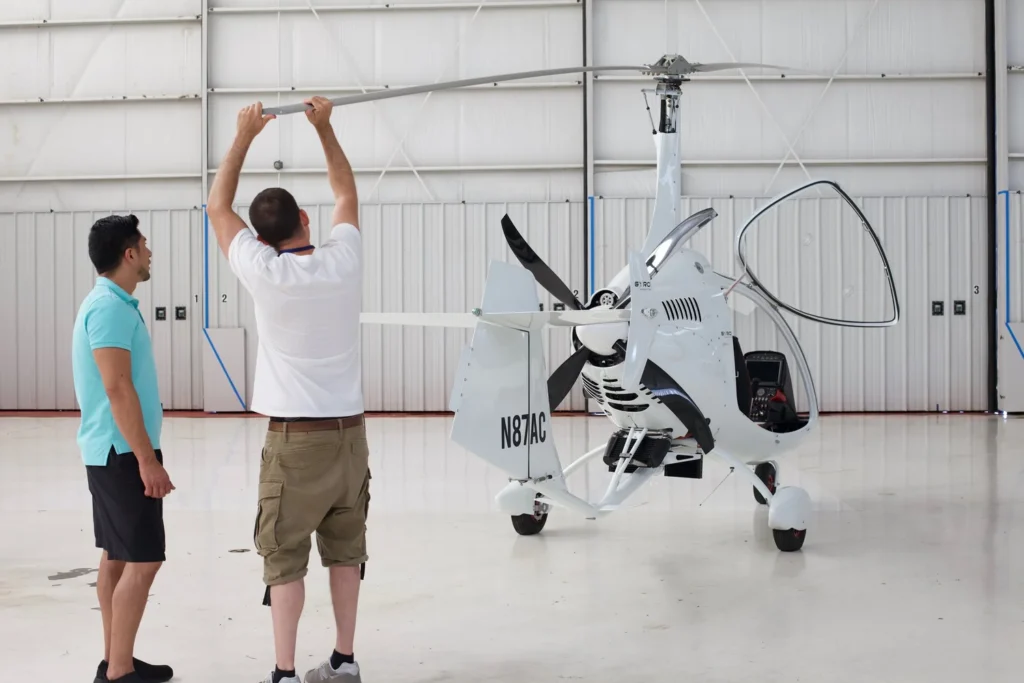
The First Flight Lesson
The first practical lesson is often an unforgettable experience.
Student pilots are introduced to:
- Aircraft familiarization
- Safety procedures
- Cockpit controls
- Communication protocols
- Rotor system operations
Instructors explain:
- How the rotor spins
- How takeoff is performed
- What sensations to expect during flight
Many students are surprised by how stable and comfortable gyroplanes feel in the air.
Learning Basic Flight Maneuvers
Initial flight training focuses on mastering fundamental maneuvers.
Students learn:
Straight and Level Flight
This exercise teaches:
- Airspeed control
- Trim management
- Maintaining altitude
- Situational awareness
Developing smooth control inputs is one of the first objectives during training.
Climbs and Descents
Pilots practice:
- Power management
- Climb profiles
- Controlled descents
- Rotor energy management
Understanding the relationship between power, airspeed, and altitude is essential.
Coordinated Turns
Students gradually learn:
- Standard-rate turns
- Medium-bank maneuvers
- Traffic pattern procedures
Proper turning techniques improve confidence and aircraft handling skills.
Takeoff Training
Takeoffs in a gyroplane differ significantly from those in conventional airplanes.
Before beginning the takeoff roll, pilots typically:
- Engage the prerotator.
- Accelerate the rotor system.
- Verify rotor RPM.
- Apply takeoff power.
- Maintain directional control.
- Establish a safe climb speed.
Students quickly learn that rotor management is one of the most distinctive aspects of gyroplane flying.
Repeated takeoff practice develops:
- Precision
- Confidence
- Proper aircraft handling habits
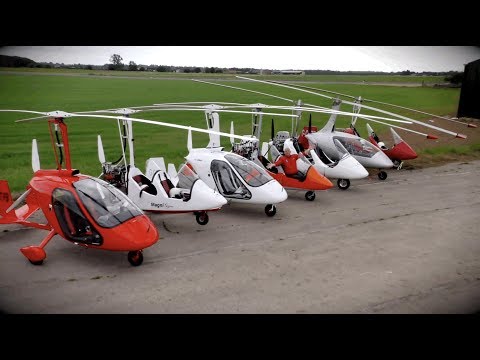
Landing Training
Landing is often considered one of the most enjoyable aspects of gyroplane flying.
Thanks to continuous autorotation, gyroplanes are capable of:
- Low-speed approaches
- Short landing distances
- Stable descent profiles
Students practice:
- Standard approaches
- Flare techniques
- Rotor energy management
- Crosswind landings
- Precision touchdown procedures
Landing exercises are repeated extensively throughout training.
Emergency Procedure Training
Emergency training is among the most valuable components of gyroplane instruction.
Students learn how to handle:
- Engine failures
- Aborted takeoffs
- Radio failures
- Unexpected weather conditions
- Rotor-related abnormalities
- System malfunctions
Proper emergency training builds confidence and significantly improves overall safety.
Simulated Engine Failures
One of the most important exercises involves practicing simulated engine failures.
Unlike helicopters, gyroplanes naturally fly in autorotation throughout normal flight.
During these exercises, students learn to:
- Maintain proper airspeed
- Select suitable landing areas
- Manage descent profiles
- Execute safe landings
Pilots often discover that gyroplanes are remarkably forgiving during simulated power-loss scenarios.
Solo Flight Training
After demonstrating sufficient proficiency, student pilots may progress to solo flight training.
Before flying alone, students must demonstrate competence in:
- Aircraft inspections
- Takeoff procedures
- Landing techniques
- Radio communications
- Emergency procedures
- Navigation basics
The first solo flight is one of the most memorable milestones in any pilot’s aviation journey.
Navigation Training
Cross-country flight training introduces students to:
- Route planning
- Fuel calculations
- Airspace awareness
- Weather analysis
- Radio navigation techniques
Modern gyroplanes are increasingly used for:
- Touring flights
- Aviation tourism
- Recreational travel
Navigation training prepares pilots for these exciting opportunities.
Pre-Flight Inspections
Pilots are taught to conduct thorough pre-flight inspections before every flight.
Typical inspection items include:
- Rotor blades
- Mast bolts
- Rotor head components
- Flight controls
- Fuel quantity
- Oil levels
- Tires and brakes
- Engine condition
- Instrument functionality
Good inspection habits are fundamental to aviation safety.
Pilot Licensing Requirements
Licensing requirements vary by country and aviation authority.
Typical licensing processes include:
- Completing ground school training.
- Accumulating required flight hours.
- Passing written examinations.
- Demonstrating practical flying skills.
- Successfully completing a flight test.
Additional endorsements or ratings may be required for:
- Cross-country operations
- Radio communications
- Passenger carriage
- Advanced flight privileges
Always consult your national aviation authority or approved flight training organization for current requirements.
What Skills Make a Good Gyroplane Pilot?
Successful gyroplane pilots develop:
- Situational awareness
- Decision-making abilities
- Smooth aircraft control
- Weather judgment
- Strong procedural discipline
Good pilots are also committed to:
- Continuous learning
- Regular proficiency training
- Aircraft maintenance awareness
- Conservative operational decisions
Experience remains one of aviation’s greatest teachers.
Common Beginner Mistakes
New pilots occasionally struggle with:
- Overcontrolling the aircraft
- Improper airspeed management
- Rushing takeoff procedures
- Inadequate pre-flight inspections
- Poor weather decisions
These mistakes are entirely normal during the learning process and are addressed through structured flight instruction.
Advanced Training Opportunities
After obtaining a pilot license, many gyroplane pilots pursue additional training, including:
- Cross-country flying
- Mountain operations
- Formation flying
- Advanced navigation
- Instructor ratings
- Aircraft transition training
Modern gyroplanes are capable of far more than simple recreational flights, making advanced instruction highly valuable.
How Much Does Training Cost?
Flight training costs vary considerably between countries and flight schools.
Factors affecting cost include:
- Instructor fees
- Aircraft rental rates
- Ground school tuition
- Examination expenses
- Licensing fees
- Insurance requirements
Prospective pilots should budget not only for their license but also for continued proficiency training after certification.
Is Learning to Fly a Gyroplane Worth It?
Absolutely.
Gyroplanes offer a unique combination of:
- Exceptional visibility
- Outstanding safety characteristics
- Affordable operating costs
- Modern technology
- Incredible flying experiences
Many pilots describe gyroplane flying as one of the most enjoyable and accessible forms of personal aviation available today.
Learning to fly is not merely acquiring a license—it is gaining the skills and confidence to explore the world from an entirely new perspective.
Final Thoughts
Gyroplane flight training is an exciting journey that combines aviation theory, practical instruction, and invaluable hands-on experience. From mastering takeoffs and precision landings to practicing simulated engine failures and earning your pilot license, every stage of training contributes to becoming a safe and competent aviator.
Modern gyroplanes are remarkably capable aircraft that reward disciplined pilots with unforgettable flying experiences. Whether your goal is weekend recreational flights or long-distance touring adventures, proper instruction is the foundation upon which every successful gyroplane pilot is built.
Your first flight lesson may last less than an hour—but the skills, memories, and opportunities it creates can last a lifetime.