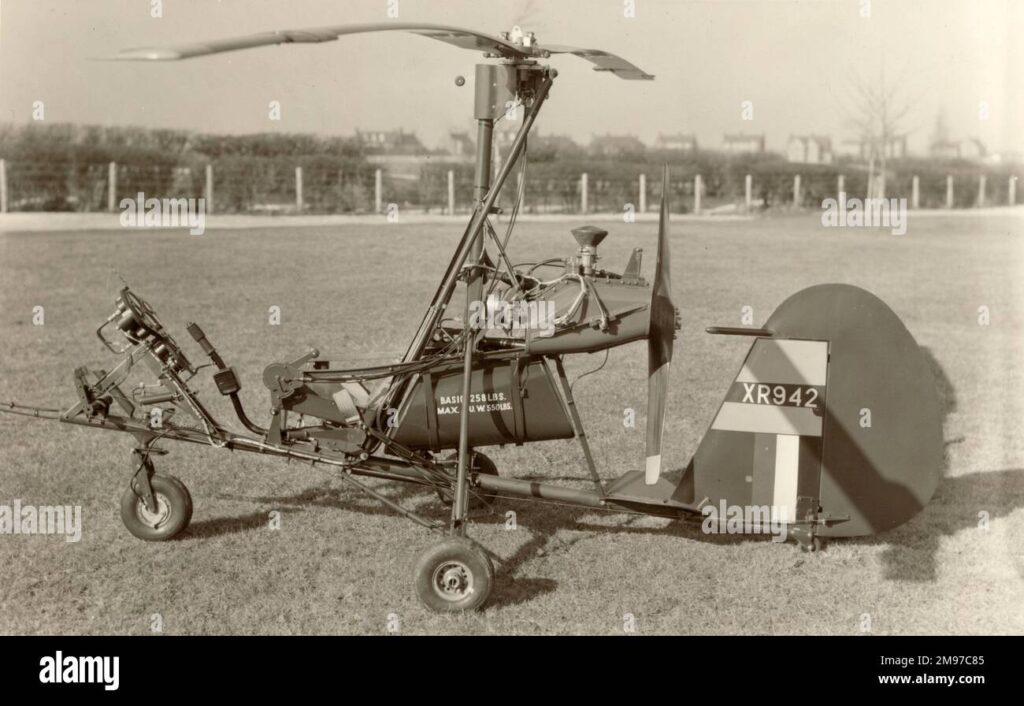
The engine is one of the most important decisions when building, buying, or upgrading a gyroplane. While the rotor system generates lift through autorotation, it is the engine that provides the thrust necessary to keep the aircraft moving forward and safely airborne.
Over the past three decades, one family of engines has established itself as the undisputed benchmark in light sport aviation and gyroplane manufacturing: the Rotax 912 and Rotax 914 series. Their exceptional balance of reliability, fuel efficiency, low weight, and worldwide support has made them the preferred choice for both factory-built gyroplanes and amateur-built KIT aircraft.
However, Rotax engines are not the only option available. Various alternatives—including newer Rotax models and automotive engine conversions—continue to attract builders and aviation enthusiasts around the world.
This article explores why the Rotax 912 and 914 became industry standards, compares their capabilities, and examines the most popular alternatives used in modern gyroplanes.
Why Engine Selection Matters in a Gyroplane
Unlike helicopters, gyroplanes do not require engine power to keep the rotor spinning during flight. Nevertheless, engine performance directly influences several critical aspects of operation.
The engine determines:
- Takeoff performance
- Climb rate
- Cruise speed
- Fuel consumption
- Payload capacity
- Operating costs
- Maintenance requirements
- Overall reliability
Selecting the wrong powerplant can negatively affect both performance and safety.
When evaluating an engine for gyroplane use, pilots and builders should consider:
- Weight-to-power ratio
- Fuel efficiency
- Parts availability
- Maintenance schedules
- Installation complexity
- Manufacturer support
- Operating environment
- Budget constraints
Why Rotax Dominates the Gyroplane Industry
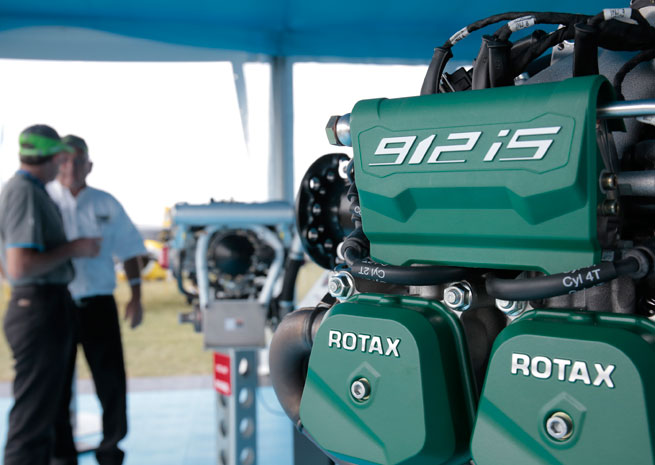
Rotax engines are manufactured specifically for light aircraft applications and have accumulated millions of flight hours worldwide.
Today, most leading gyroplane manufacturers equip their aircraft with Rotax engines as standard equipment.
The reasons are straightforward:
- Exceptional reliability
- Lightweight construction
- Excellent fuel economy
- Worldwide service network
- Proven aviation heritage
- Modern engineering
- Long service intervals
- Outstanding power-to-weight ratios
Rotax engines power thousands of:
- Gyroplanes
- Ultralight aircraft
- Light sport airplanes
- Experimental aircraft
- Training aircraft
Their widespread adoption has created an extensive ecosystem of maintenance specialists, spare parts suppliers, and flight schools.
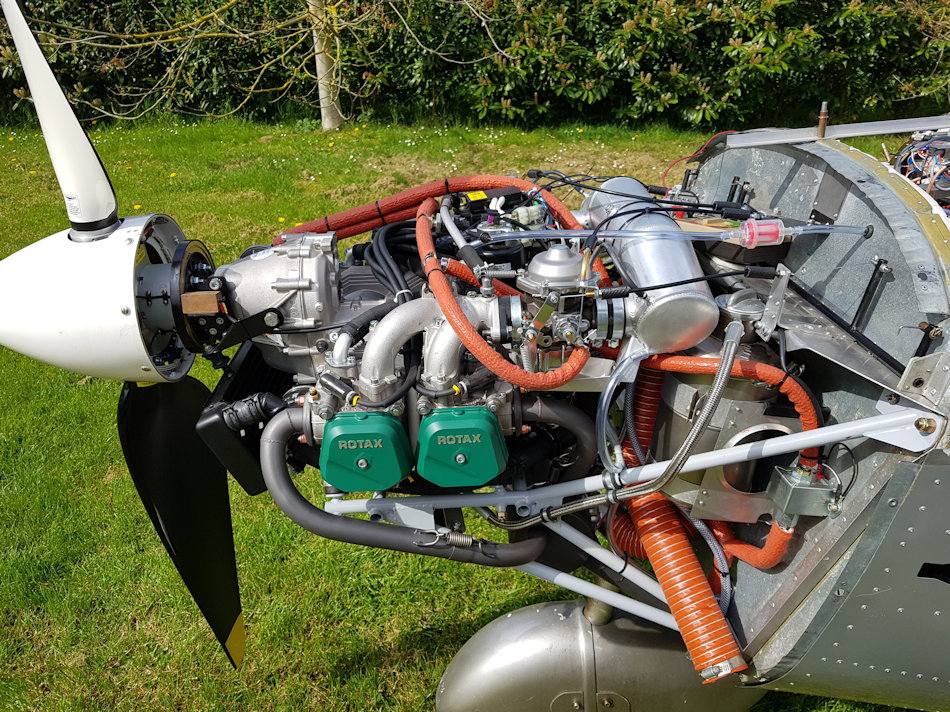
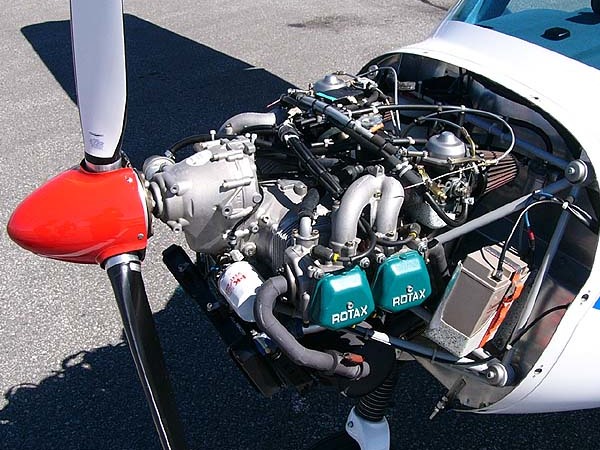
The Rotax 912 Series
The Rotax 912 is arguably the most successful light aircraft engine ever produced.
Introduced in the late 1980s, it revolutionized recreational aviation by providing:
- Four-cylinder configuration
- Four-stroke operation
- Liquid-cooled cylinder heads
- Air-cooled cylinders
- Outstanding reliability
- Low fuel consumption
The engine remains one of the most popular choices for gyroplanes worldwide.
Typical Specifications
| Specification | Rotax 912 ULS |
|---|---|
| Power Output | 100 HP |
| Cylinders | 4 |
| Cooling System | Liquid/Air |
| Fuel Type | Premium unleaded gasoline or aviation fuel |
| Typical Fuel Consumption | 15–20 L/hour |
| Weight | Approximately 64 kg |
Advantages of the Rotax 912
The Rotax 912 offers several important advantages.
Fuel Efficiency
Few aviation engines consume so little fuel while delivering impressive performance.
Pilots frequently achieve:
- Low operating costs
- Excellent range
- Reduced fuel expenses
Reliability
The Rotax 912 has accumulated an outstanding reputation within the aviation community.
Its reliability has been demonstrated across:
- Flight training operations
- Recreational aviation
- Long-distance touring
- Professional applications
Maintenance Simplicity
Routine maintenance procedures are well documented and supported by certified technicians worldwide.
Typical maintenance includes:
- Oil changes
- Filter replacement
- Spark plug inspections
- Gearbox servicing
- Cooling system inspections
The Rotax 914 Turbocharged Engine
For pilots seeking improved performance, the Rotax 914 introduced turbocharging technology to the gyroplane market.
The Rotax 914 provides:
- 115 horsepower
- Superior high-altitude performance
- Improved climb rates
- Excellent cross-country capabilities
Its turbocharger maintains power output more effectively at higher elevations than naturally aspirated engines.
Advantages of the Rotax 914
The engine excels in:
- Mountain flying
- High-density altitude operations
- Touring gyroplanes
- Heavy payload configurations
Pilots flying enclosed-cabin gyroplanes frequently appreciate the additional power offered by the Rotax 914.
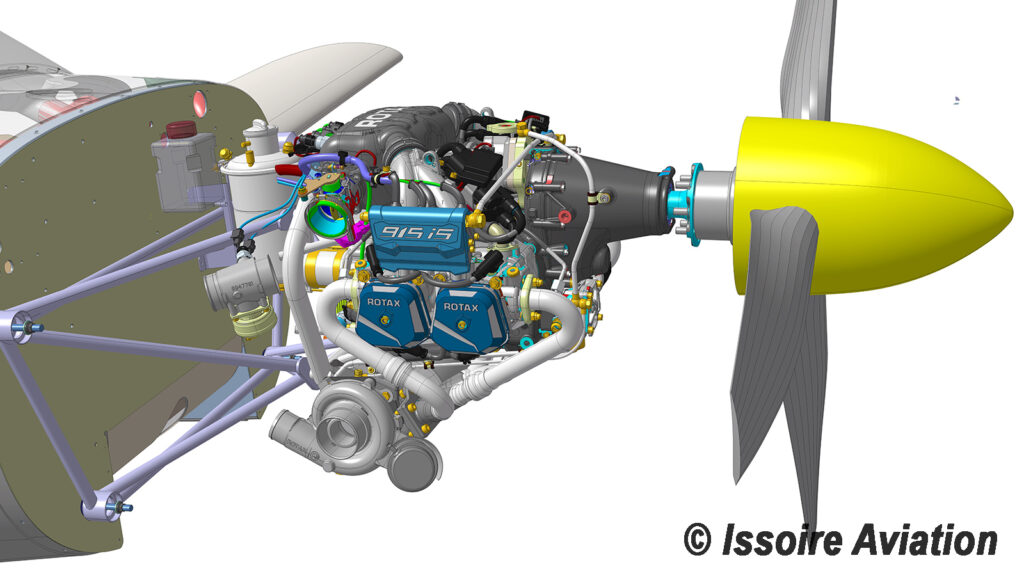
Rotax 915 iS: Modern Fuel Injection Technology
The Rotax 915 iS represents a major technological advancement.
Its features include:
- Electronic fuel injection
- Turbocharging
- Advanced engine management systems
- Increased power output
- Improved fuel efficiency
Typical Performance
| Specification | Rotax 915 iS |
| Power Output | 141 HP |
| Fuel System | Electronic fuel injection |
| Turbocharged | Yes |
| Cruise Efficiency | Excellent |
| Suitable For | Premium touring gyroplanes |
The Rotax 915 iS has become increasingly popular among manufacturers producing luxury gyroplanes equipped with enclosed cabins and modern avionics.
Rotax 916 iS: The New Generation
The newest member of the family is the Rotax 916 iS.
It delivers:
- Approximately 160 horsepower
- Turbocharged performance
- Advanced digital engine management
- Exceptional climb capabilities
The engine is particularly attractive for:
- High-performance gyroplanes
- Heavy aircraft configurations
- Professional applications
Although relatively new, it is rapidly becoming an exciting option for premium aircraft.
Why Manufacturers Prefer Rotax Engines
Leading gyroplane manufacturers design their aircraft around Rotax powerplants for several reasons.
Proven Certification History
Aircraft manufacturers benefit from:
- Extensive documentation
- Established installation standards
- Comprehensive testing data
Global Support Network
Rotax offers:
- Worldwide service centers
- Spare parts availability
- Maintenance training programs
Optimized Weight
Gyroplanes benefit enormously from lightweight engines.
Lower engine weight contributes to:
- Better balance
- Improved payload capacity
- Enhanced flight performance
Automotive Engine Conversions
Some builders choose automotive engines as cost-effective alternatives.
Popular conversions include:
- Subaru
- Suzuki
- Honda
- Yamaha
- Volkswagen
These conversions can provide impressive power figures at relatively low purchase prices.
However, they also introduce additional engineering challenges.
Subaru Engine Conversions
Subaru engines have developed a loyal following among experimental aircraft builders.
Advantages include:
- Affordable acquisition costs
- Excellent power output
- Modern engine technology
- Good aftermarket support
Commonly used Subaru engines include:
- EJ22
- EJ25
- EZ30
Potential drawbacks include:
- Increased weight
- Cooling system complexity
- Additional reduction drive requirements
Subaru-powered gyroplanes can perform exceptionally well when properly engineered.
Suzuki Engine Conversions
Suzuki engines are particularly attractive because of their lightweight designs.
Advantages include:
- Compact dimensions
- Low purchase costs
- Good fuel efficiency
- High reliability in automotive applications
Builders must nevertheless address:
- Propeller reduction systems
- Cooling requirements
- Engine mounting solutions
Properly executed conversions can offer outstanding value.
Yamaha Motorcycle Engines
Several KIT builders have experimented successfully with Yamaha motorcycle engines.
Advantages include:
- High power-to-weight ratios
- Modern fuel injection systems
- Excellent engineering
Challenges include:
- Propeller speed reduction requirements
- Noise considerations
- Custom installation work
These engines are primarily found in experimental aircraft projects.
Automotive Conversions: Pros and Cons
Advantages
- Lower purchase prices
- Parts availability
- Significant customization opportunities
- Potential performance benefits
Disadvantages
- Increased engineering complexity
- Limited aviation support networks
- Additional testing requirements
- Certification challenges in some countries
For first-time builders, automotive conversions may prove more complicated than expected.
Choosing the Right Engine for Your Gyroplane
Engine selection should reflect your flying goals.
Rotax 912 Is Ideal For:
- Beginners
- Flight schools
- Recreational flying
- Budget-conscious owners
Rotax 914 Is Ideal For:
- Cross-country pilots
- Mountain operations
- Touring aircraft
Rotax 915 iS Is Ideal For:
- Premium gyroplanes
- Long-distance flying
- Modern enclosed cabins
Rotax 916 iS Is Ideal For:
- Performance enthusiasts
- Heavy aircraft configurations
- Professional applications
Automotive Conversions Are Ideal For:
- Experienced builders
- Experimental aircraft projects
- Owners comfortable with custom engineering solutions
Ownership Costs
While Rotax engines are more expensive initially, they often reduce long-term ownership costs through:
- Proven reliability
- Lower maintenance risks
- Higher resale values
- Excellent manufacturer support
Automotive conversions may save money initially but can require additional investments in:
- Reduction gear systems
- Custom mounts
- Cooling modifications
- Flight testing
- Specialized maintenance
Prospective builders should evaluate total ownership costs rather than focusing solely on purchase prices.
The Future of Gyroplane Engines
Engine technology continues evolving rapidly.
Current industry trends include:
- Electronic fuel injection
- Digital engine management systems
- Improved fuel efficiency
- Reduced emissions
- Higher power outputs
- Hybrid propulsion research
Although electric propulsion remains an exciting area of development, conventional aviation engines continue to dominate gyroplane applications due to their reliability and practical flight endurance.
The Rotax family remains at the forefront of these advancements and is likely to retain its dominant market position for years to come.
Final Thoughts
The Rotax 912 and 914 engines earned their status as gyroplane industry standards through decades of proven performance, reliability, and worldwide support. Their lightweight construction, fuel efficiency, and exceptional operating characteristics make them ideal choices for both recreational pilots and professional operators.
Meanwhile, newer Rotax models such as the 915 iS and 916 iS are pushing the boundaries of what modern gyroplanes can achieve, offering impressive power and advanced engine management technologies. For experimental builders, automotive conversions remain an interesting alternative, although they require considerably more technical expertise and engineering effort.
Ultimately, selecting the right engine depends on your budget, flying objectives, and level of experience. Whether powering a simple open-cockpit gyroplane or a premium enclosed touring aircraft, the right engine is the foundation of safe, efficient, and enjoyable flight.