The world of personal aviation has changed dramatically over the last few decades. What was once considered an expensive and exclusive hobby is now accessible to aviation enthusiasts around the globe. Among the most exciting developments in recreational flying is the growing popularity of the gyroplane (also known as an autogyro or gyrocopter).
For beginners, gyroplanes offer a unique combination of safety, simplicity, and exceptional flying characteristics. They are easier to operate than helicopters, more versatile than many ultralight aircraft, and provide an unparalleled flying experience. But what exactly is a gyroplane, and why do so many pilots consider it one of the safest forms of recreational aviation?
This guide explains the basic principles of gyroplane flight, how autorotation works, and why gyroplanes are often regarded as safer than helicopters in many operational situations.
What Is a Gyroplane?
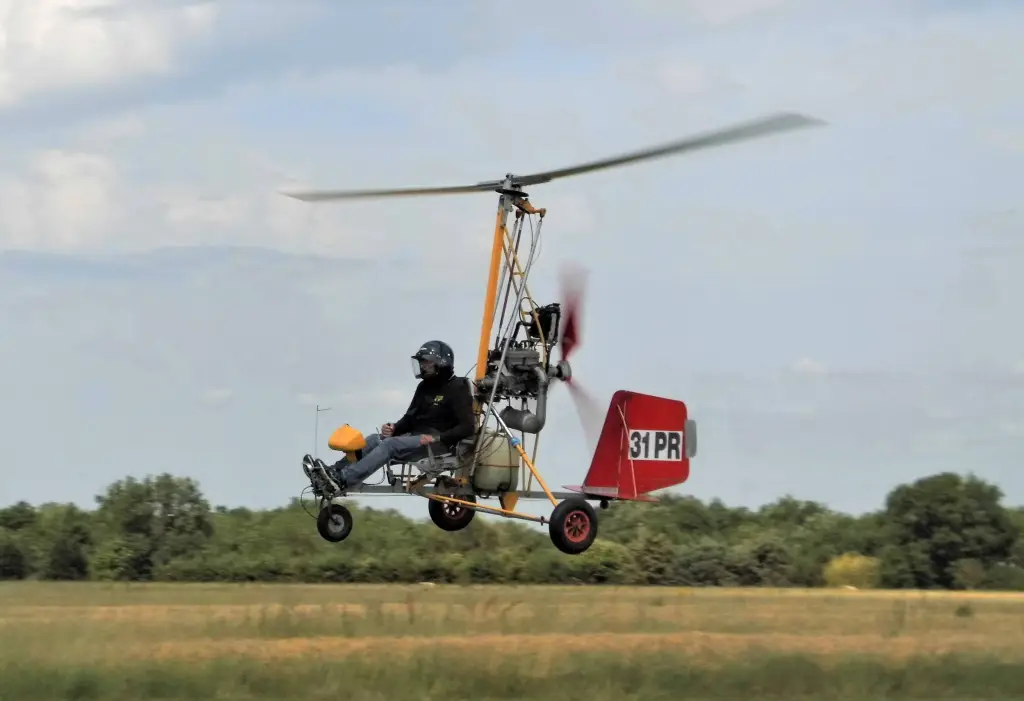
A gyroplane is a rotary-wing aircraft that uses an unpowered rotor to generate lift and an engine-driven propeller to provide forward thrust.
Unlike a helicopter, the rotor of a gyroplane is not connected directly to the engine during normal flight. Instead, it spins freely thanks to a phenomenon known as autorotation. As air flows upward through the rotor disc while the aircraft moves forward, the rotor blades continue spinning and produce lift naturally.
The aircraft consists of several major components:
- Rotor system
- Mast and rotor head
- Propeller and engine
- Landing gear
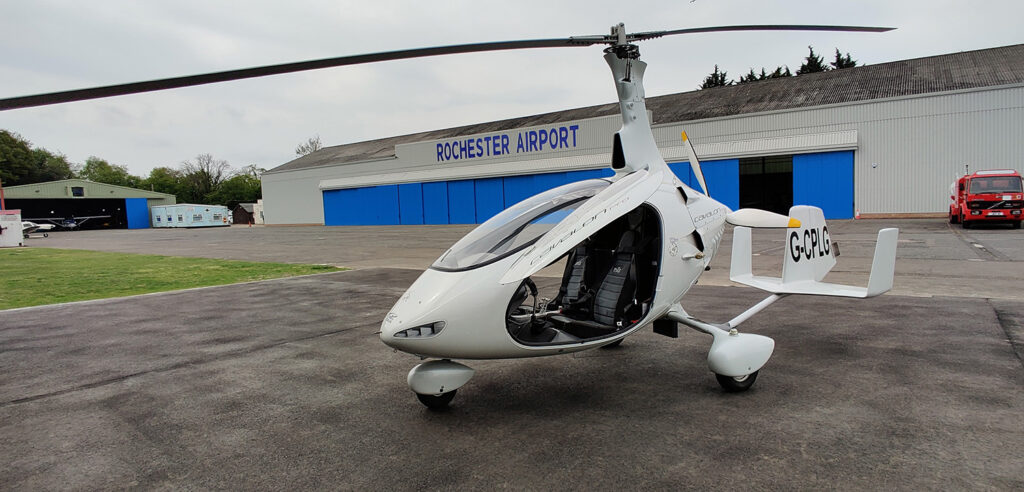
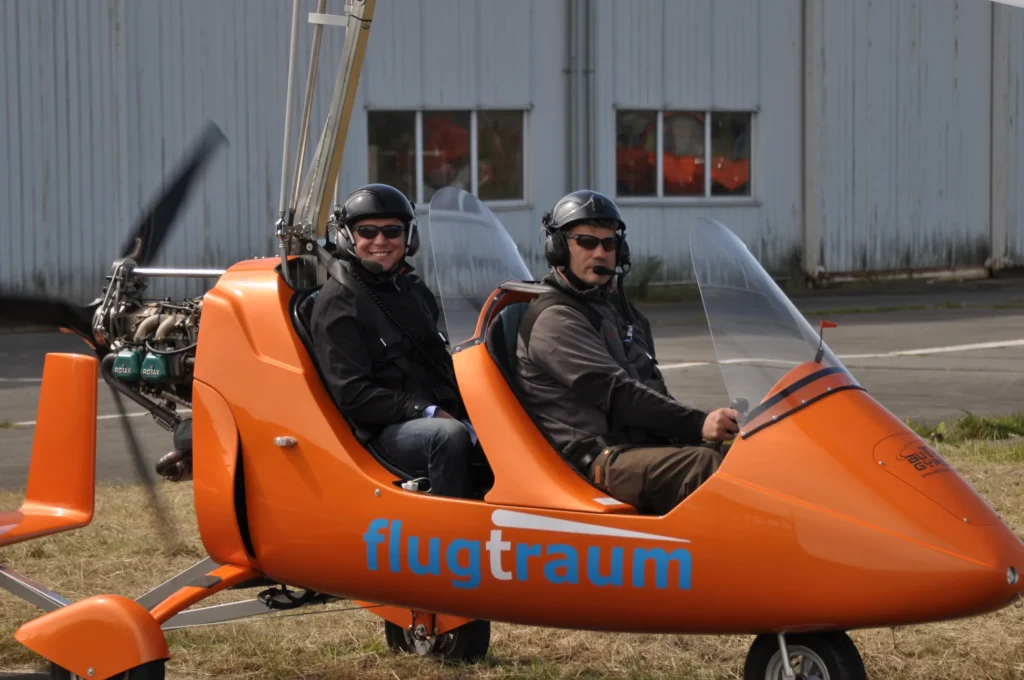
- Cockpit (open or enclosed)
- Flight controls
- Prerotator system for takeoff assistance
Modern gyroplanes are typically powered by reliable aviation engines such as the Rotax 912 or Rotax 914 series and are used for:
- Recreational flying
- Flight training
- Cross-country touring
- Aerial photography
- Agricultural observation
- Border patrol and surveillance operations
- Search and rescue missions
Their growing popularity has made them one of the fastest-growing segments of light sport aviation.
How Does a Gyroplane Fly?
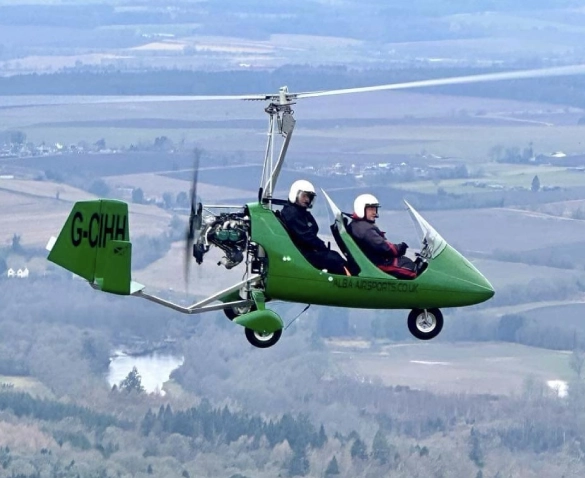
One of the biggest misconceptions among beginners is that gyroplanes are simply “small helicopters.” In reality, their flight mechanics are entirely different.
A helicopter generates lift by actively powering its rotor system. If engine power is lost, the pilot must immediately transition into autorotation to perform an emergency landing.
A gyroplane, however, flies in autorotation all the time.
The Principle of Autorotation
Autorotation is the aerodynamic process in which airflow causes the rotor blades to spin naturally.
Here’s how it works:
- The engine drives the propeller and pushes the aircraft forward.
- Forward movement forces air upward through the rotor disc.
- The airflow keeps the rotor spinning.
- The spinning rotor generates lift.
- The aircraft continues flying safely and efficiently.
This means that lift generation is independent of engine power.
Even if the engine stops completely, the rotor continues spinning and producing lift, allowing the pilot to descend in a controlled manner.
Why Are Gyroplanes Safer Than Helicopters?
Safety is one of the main reasons many private pilots choose gyroplanes.
While no aircraft is completely risk-free, gyroplanes possess several inherent aerodynamic advantages.
1. Natural Engine-Out Capability
The greatest safety advantage is continuous autorotation.
Unlike helicopters, gyroplanes do not require an emergency transition into autorotation after an engine failure because they are already flying in that mode.
If the engine quits:
- The rotor continues spinning.
- The aircraft remains fully controllable.
- The pilot establishes a glide.
- A landing area is selected.
- The gyroplane performs a controlled descent.
Many experienced gyroplane pilots describe engine failure as an inconvenience rather than a catastrophic emergency.
2. Resistance to Stall and Spin Accidents
Fixed-wing aircraft can stall if airspeed becomes too low or the angle of attack becomes excessive.
Stall accidents remain one of the leading causes of general aviation incidents worldwide.
Gyroplanes are fundamentally different.
Because lift is generated by the freely rotating rotor system:
- Traditional wing stalls are impossible.
- Spin accidents do not occur in the conventional sense.
- The aircraft maintains stable aerodynamic characteristics across a wide speed range.
This makes gyroplanes particularly attractive for beginner pilots transitioning into recreational aviation.
3. Excellent Low-Speed Handling
Gyroplanes are exceptionally comfortable at low airspeeds.
Typical cruising speeds range between:
- 80 km/h (50 mph)
- 160 km/h (100 mph)
- Depending on aircraft design and engine power
Unlike many light airplanes, gyroplanes can safely operate at very low speeds without approaching stall conditions.
This capability provides:
- Increased safety during landing.
- Better visibility.
- Easier maneuvering.
- Improved control during short-field operations.
4. Superior Turbulence Performance
Many pilots are surprised by how stable gyroplanes feel in turbulent air.
The rotor system naturally absorbs atmospheric disturbances that would often be more noticeable in fixed-wing aircraft.
Advantages include:
- Smooth flight characteristics.
- Reduced sensitivity to gusts.
- Excellent control authority.
- Stable low-speed handling.
Modern gyroplanes are commonly used for:
- Mountain flying
- Coastal operations
- Observation flights
- Long-distance touring
Their ability to cope with changing weather conditions has significantly contributed to their popularity in Europe and other aviation markets.
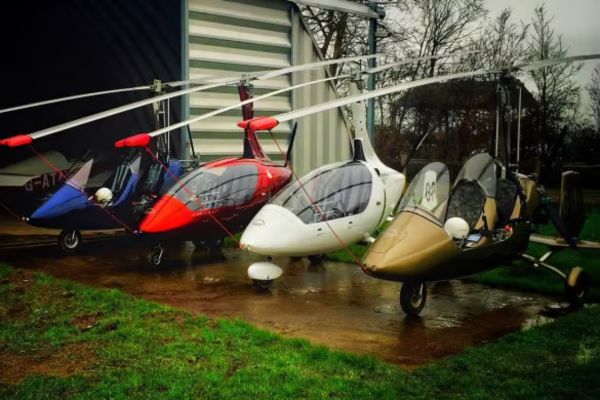
Gyroplane vs Helicopter
| Feature | Gyroplane | Helicopter |
|---|---|---|
| Rotor powered in flight | No | Yes |
| Autorotation | Continuous | Emergency procedure |
| Mechanical complexity | Low | High |
| Maintenance cost | Lower | Much higher |
| Pilot training complexity | Lower | Higher |
| Purchase price | More affordable | Expensive |
| Fuel consumption | Lower | Higher |
| Engine failure safety | Excellent | Requires immediate pilot action |
| Operating costs | Low | Very high |
For private aviation enthusiasts, gyroplanes provide many of the advantages of helicopters without the complexity and operating expenses.
Can a Gyroplane Hover?
One important distinction is that gyroplanes cannot hover.
Because the rotor is not engine-driven during flight, forward airflow is necessary to maintain rotor speed.
Gyroplanes:
- Cannot perform vertical takeoffs.
- Cannot hover.
- Require a short takeoff roll.
- Need forward movement to remain airborne.
However, they can:
- Fly extremely slowly.
- Land within short distances.
- Operate from small airfields and grass runways.
- Maintain excellent maneuverability at low speeds.
For recreational flying, these limitations are rarely considered disadvantages.
Why Beginners Love Flying Gyroplanes
Gyroplanes offer a flying experience unlike any other aircraft.
Pilots often mention:
- Outstanding visibility.
- Open-air flying sensations.
- Responsive handling.
- High levels of safety.
- Lower ownership costs.
- Relatively simple systems.
- Comfortable cross-country capabilities.
Modern enclosed-cabin gyroplanes even provide:
- Cabin heating
- Advanced avionics
- Glass cockpit systems
- Radio and transponder equipment
- Long-range fuel tanks
Many models are capable of touring hundreds of kilometers in comfort.
Common Myths About Gyroplanes
Myth #1: The Rotor Is Powered Like a Helicopter
False. The rotor spins entirely due to aerodynamic forces during flight.
Myth #2: Gyroplanes Are Difficult to Fly
Modern gyroplanes are designed with beginner pilots in mind and feature forgiving flight characteristics.
Myth #3: Engine Failure Means Immediate Danger
In most cases, gyroplanes handle engine failures exceptionally well thanks to continuous autorotation.
Myth #4: Gyroplanes Are Unstable
Modern designs have evolved significantly over the past several decades and incorporate advanced aerodynamic improvements that provide excellent stability and handling.
Who Should Consider Buying a Gyroplane?
A gyroplane may be an excellent choice if you:
- Want to enter recreational aviation.
- Prefer lower operating costs.
- Value safety and simplicity.
- Enjoy panoramic flying experiences.
- Plan to travel between regional airfields.
- Appreciate modern aviation technology.
They are particularly well suited for:
- First-time aircraft owners.
- Sport pilots.
- Aviation hobbyists.
- Cross-country enthusiasts.
- Photography and sightseeing pilots.
Final Thoughts
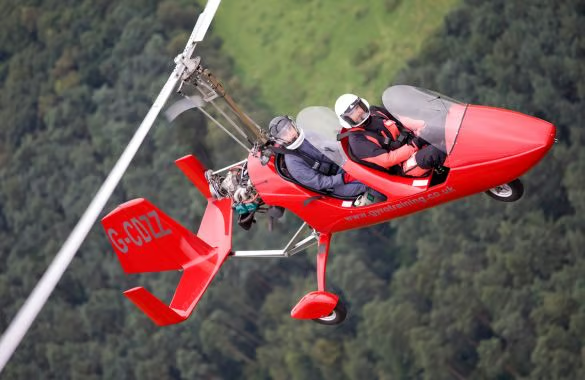
Gyroplanes represent one of the safest and most enjoyable ways to experience personal aviation. Their unique autorotation-based flight system provides inherent safety advantages that distinguish them from both helicopters and conventional fixed-wing aircraft.
By combining low operating costs, impressive flight stability, resistance to stalls, and excellent engine-out capabilities, modern gyroplanes have become an ideal choice for beginner pilots seeking an accessible entry point into the world of flying.
Whether equipped with an open cockpit for maximum freedom or an enclosed cabin for all-weather comfort, the gyroplane continues to prove that safe, affordable, and exciting flight can coexist in one remarkable aircraft.