The rotor system is the single most important component of any gyroplane. Unlike conventional fixed-wing aircraft, where lift is generated by wings, a gyroplane relies entirely on its freely rotating rotor to stay airborne. The rotor determines not only how efficiently the aircraft flies but also how safely it handles turbulence, low-speed flight, and emergency situations.
For builders, owners, and aspiring gyroplane pilots, understanding how the rotor system works is essential. From the rotor head and blade construction to prerotator systems and material selection, every element plays a critical role in the aircraft’s overall performance.
This article explores the anatomy of a gyroplane rotor system, explains how autorotation generates lift, and compares the most commonly used rotor blade materials in modern gyroplane design.
Why the Rotor System Is So Important
The rotor is often described as the “wing” of the gyroplane. Unlike a helicopter, however, the rotor is not powered during normal flight. Instead, it rotates freely through aerodynamic forces in a process known as autorotation.
The rotor system is responsible for:
- Generating lift
- Providing flight stability
- Absorbing turbulence
- Maintaining low-speed controllability
- Enabling safe engine-out descents
- Improving maneuverability
A properly designed rotor system contributes significantly to the gyroplane’s outstanding safety characteristics and forgiving flight behavior.
How Does the Rotor Generate Lift?
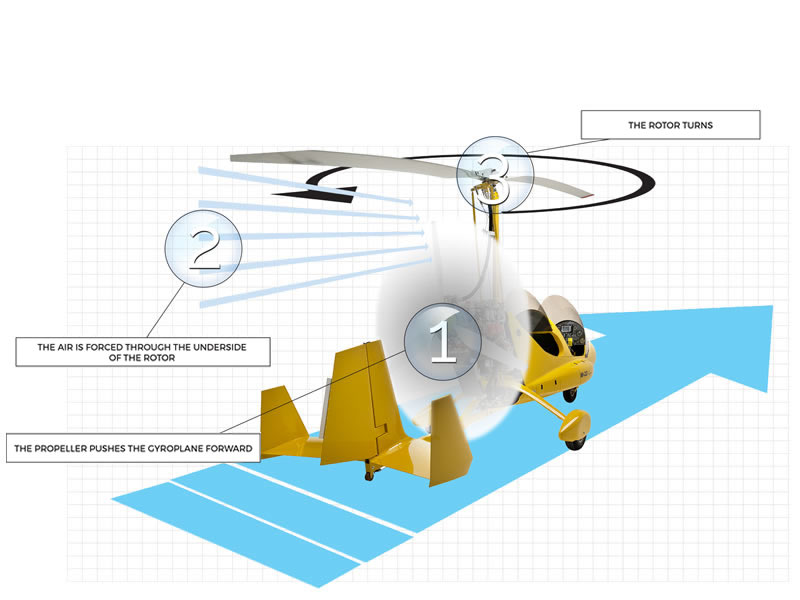
Many newcomers assume that the rotor is powered by the engine throughout the flight. In reality, the engine drives only the propeller, which pushes the gyroplane forward.
The rotor spins because:
- The propeller produces forward thrust.
- Air flows upward through the rotor disc.
- The airflow causes the rotor blades to rotate.
- The spinning rotor generates lift.
- The aircraft remains airborne through continuous autorotation.
This elegant aerodynamic principle has made gyroplanes one of the safest categories of recreational rotorcraft.
Components of the Rotor System
A modern gyroplane rotor system consists of several critical components that work together to ensure safe and efficient flight.
Rotor Blades
Rotor blades are responsible for producing lift and significantly influence:
- Climb performance
- Cruise efficiency
- Handling characteristics
- Flight comfort
- Fuel consumption
- Maximum takeoff weight
Rotor blades are carefully engineered to provide the ideal combination of:
- Strength
- Weight
- Flexibility
- Aerodynamic efficiency
Even minor differences in blade design can dramatically affect aircraft performance.
Rotor Head
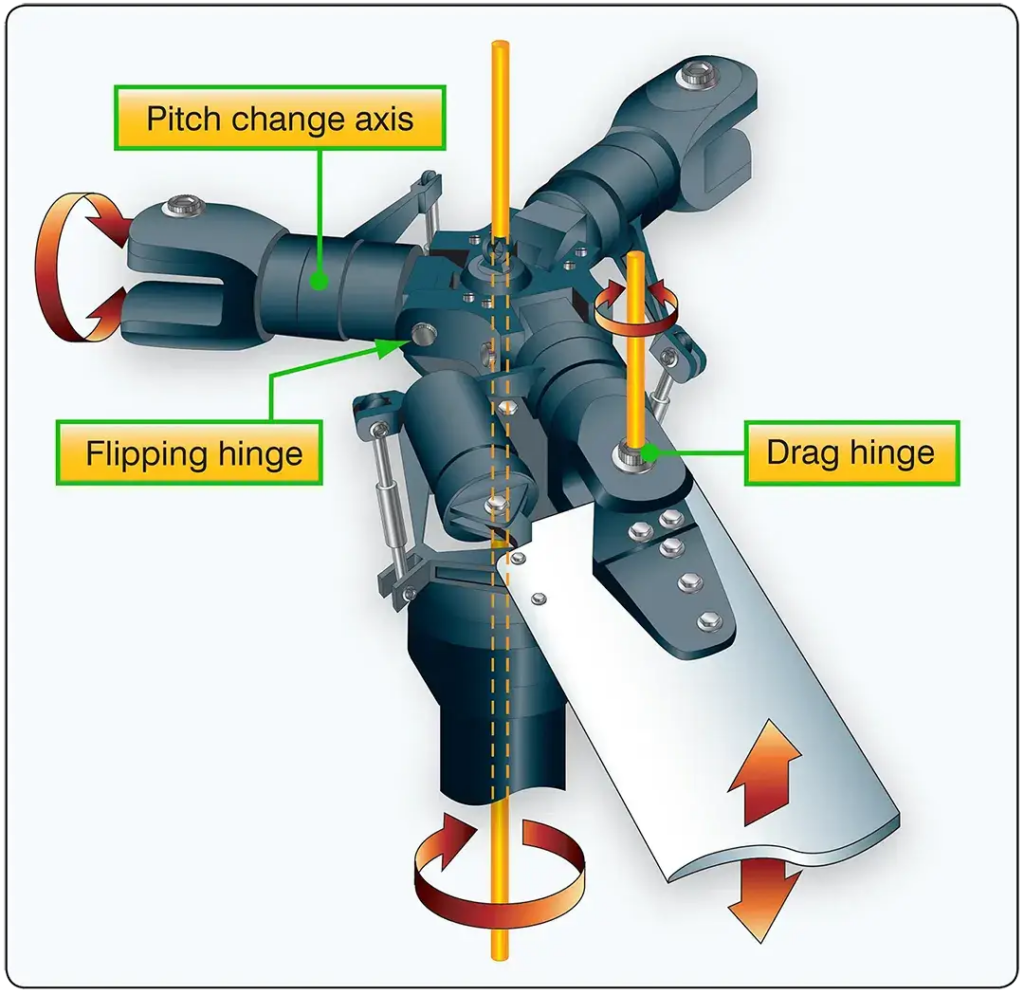
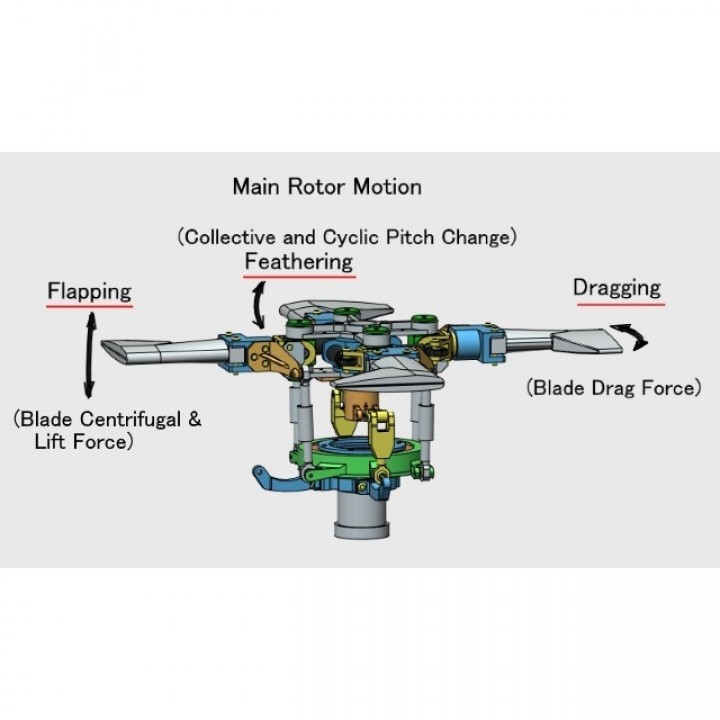
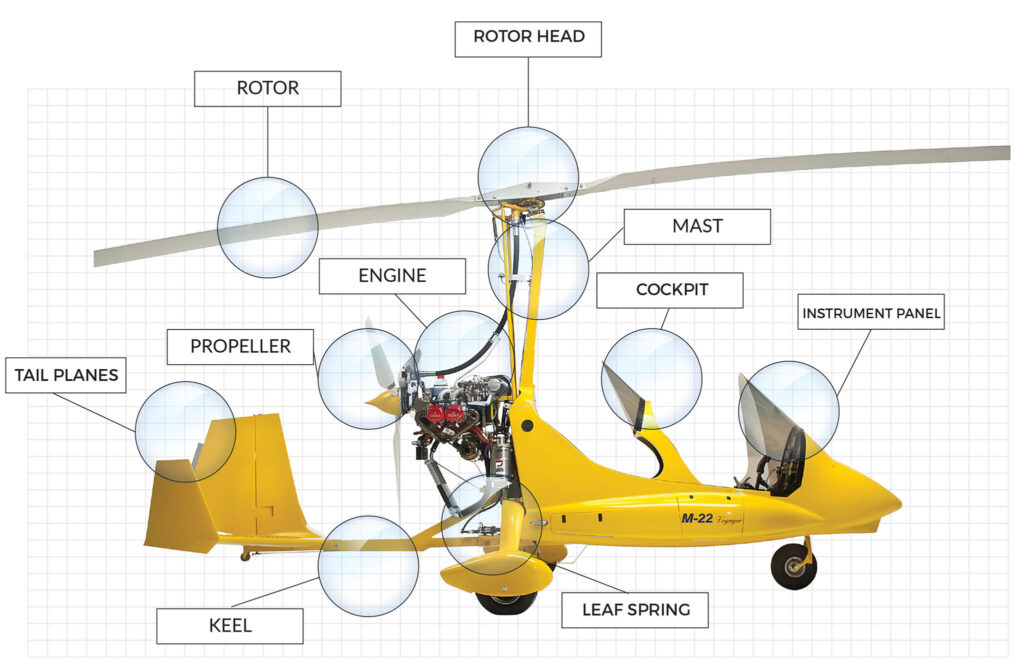
The rotor head is the mechanical connection between the rotor blades and the mast.
Its primary functions include:
- Supporting the rotor assembly
- Allowing blade articulation
- Transferring pilot control inputs
- Maintaining rotor stability
Modern rotor heads are precision-engineered components manufactured to extremely tight tolerances.
The rotor head typically incorporates:
- Bearings
- Control linkages
- Teeter mechanisms
- Fasteners and bushings
- Pitch control systems
Any wear or mechanical play within the rotor head can negatively impact handling and safety.
Rotor Hub Bar
The hub bar connects the rotor blades and transfers aerodynamic loads throughout the rotor assembly.
It must withstand:
- Centrifugal forces
- Aerodynamic loads
- Vibration
- Rapid changes in rotor speed
Manufacturers typically use aerospace-grade aluminum or advanced composite materials to maximize durability while minimizing weight.
Mast Assembly
The mast is the structural component that supports the entire rotor system above the aircraft’s fuselage.
The mast experiences considerable stress during:
- Takeoff
- Landing
- Maneuvering
- Turbulent flight
Routine inspections should include:
- Bolt torque verification
- Structural examinations
- Corrosion checks
- Attachment point inspections
The integrity of the mast is absolutely critical to flight safety.
Understanding Rotor Blade Design
Rotor blades are highly sophisticated aerodynamic structures.
Their design influences:
- Rotor inertia
- Lift generation
- Rotor responsiveness
- Flight smoothness
- Takeoff characteristics
Several design factors are considered during manufacturing.
Rotor Diameter
Rotor diameter affects:
- Lift production
- Takeoff performance
- Cruise characteristics
- Payload capabilities
Larger rotors generally provide:
- Better lift at lower speeds
- Improved handling characteristics
- Smoother flight behavior
However, they may also increase:
- Drag
- Weight
- Rotor inertia
Selecting the appropriate rotor diameter depends on the aircraft’s intended mission profile.
Rotor Blade Profile
Rotor blade airfoils are specifically designed for autorotative flight.
Engineers optimize blade profiles to achieve:
- Efficient lift generation
- Reduced vibration
- Improved stability
- Enhanced performance across various airspeeds
Modern blade designs are the result of decades of aerodynamic research and testing.
Rotor Blade Materials
The material used in rotor blade construction significantly affects:
- Performance
- Maintenance requirements
- Service life
- Manufacturing costs
Modern gyroplane manufacturers typically employ three primary categories of materials.
Aluminum Rotor Blades
Aluminum remains one of the most popular choices in recreational gyroplanes.
Advantages include:
- Proven reliability
- Relatively low cost
- Excellent strength-to-weight ratio
- Predictable flight characteristics
- Ease of inspection
Modern aerospace-grade aluminum alloys are:
- Durable
- Corrosion resistant
- Widely supported by manufacturers
Disadvantages include:
- Susceptibility to surface damage
- Slightly heavier construction compared to some composites
Aluminum blades are often recommended for beginner pilots because of their proven track record and straightforward maintenance procedures.
Composite Rotor Blades
Composite materials have become increasingly popular in modern aviation.
They offer several advantages:
- Lightweight construction
- Excellent aerodynamic efficiency
- High stiffness
- Reduced vibration levels
- Improved corrosion resistance
Composite rotor blades may incorporate:
- Carbon fiber
- Fiberglass
- Hybrid laminate structures
Premium gyroplanes frequently utilize composite rotor systems because they provide outstanding performance and modern aesthetics.
However, composite blades can be:
- More expensive
- More difficult to repair
- More sensitive to improper handling
Specialized maintenance procedures are sometimes required following damage or impact events.
Steel Components Within Rotor Systems
Although rotor blades themselves are rarely manufactured entirely from steel, steel remains indispensable throughout the rotor assembly.
Steel is commonly used for:
- Rotor head mechanisms
- Bearings
- Fasteners
- Attachment hardware
- Critical load-bearing components
Advantages include:
- Exceptional durability
- High fatigue resistance
- Excellent structural properties
Proper corrosion protection and regular inspections are essential when maintaining steel components.
What Is a Prerotator System?
Before takeoff, rotor blades must achieve sufficient rotational speed.
This is accomplished through a prerotator system.
The prerotator allows pilots to:
- Spin the rotor before beginning the takeoff roll
- Reduce takeoff distance
- Improve takeoff safety
- Minimize rotor acceleration time
Modern prerotator systems may be:
- Mechanical
- Hydraulic
- Electric
Each design offers unique advantages depending on aircraft configuration and manufacturer preferences.
Mechanical Prerotators
Mechanical systems typically use:
- Flexible shafts
- Belt drives
- Gear mechanisms
Advantages:
- Simple design
- Lower maintenance costs
- Proven reliability
Potential disadvantages include:
- Mechanical wear
- Belt replacement requirements
Regular inspection of drive belts and associated components is essential for safe operation.
Hydraulic Prerotators
Hydraulic systems offer:
- Smooth rotor acceleration
- High reliability
- Efficient power transmission
Advantages include:
- Excellent performance
- Reduced vibration
- Consistent rotor engagement
Disadvantages may include:
- Greater complexity
- Increased maintenance requirements
- Higher manufacturing costs
Hydraulic prerotators are common in premium gyroplane designs.
Electric Prerotators
Modern electric prerotators are becoming increasingly popular due to advances in lightweight electric motor technology.
Advantages include:
- Simplified mechanical systems
- Smooth operation
- Reduced maintenance requirements
Future gyroplane developments may see even greater adoption of electrically driven prerotation technologies.
Rotor Maintenance and Inspections
Rotor systems require careful pre-flight inspections before every flight.
Pilots should verify:
- Rotor blade surfaces
- Bolt security
- Rotor head condition
- Bearing smoothness
- Mast attachment points
- Prerotator operation
- Blade alignment
Even small irregularities can affect flight characteristics and should never be ignored.
Regular maintenance schedules typically include:
- Lubrication procedures
- Torque inspections
- Bearing replacement intervals
- Rotor balancing checks
- Structural examinations
Preventive maintenance significantly enhances both safety and rotor longevity.
Common Rotor System Problems
The most frequently encountered issues include:
- Blade imbalance
- Loose hardware
- Bearing wear
- Excessive vibration
- Prerotator belt deterioration
- Surface damage to rotor blades
Proper maintenance practices can prevent the majority of these problems.
Builders and owners should always follow manufacturer recommendations regarding inspection intervals and service procedures.
Choosing the Right Rotor Blades
Selecting rotor blades depends on several factors:
- Aircraft type
- Intended flight profile
- Budget
- Pilot experience
- Maintenance preferences
Aluminum Blades Are Ideal For:
- Beginners
- Recreational pilots
- Flight schools
- Cost-conscious owners
Composite Blades Are Ideal For:
- Touring gyroplanes
- Performance-oriented pilots
- Premium aircraft configurations
Both materials have demonstrated excellent reliability when properly manufactured and maintained.
Final Thoughts
The rotor system is the aerodynamic heart of every gyroplane. Its unique ability to generate lift through autorotation is what distinguishes gyroplanes from both helicopters and conventional fixed-wing aircraft. Understanding how the rotor head, hub bar, prerotator system, and rotor blades function together is essential for anyone interested in owning, building, or flying a gyroplane.
Whether constructed from aluminum or advanced composite materials, modern rotor blades represent decades of engineering refinement aimed at maximizing safety, performance, and durability. Combined with proper maintenance and regular inspections, a well-designed rotor system can provide thousands of hours of reliable operation.
For gyroplane enthusiasts, learning the anatomy of the rotor is more than a technical exercise—it is gaining a deeper appreciation for the remarkable engineering that makes one of aviation’s most fascinating aircraft possible.