Buying your first gyroplane is one of the most exciting decisions a pilot can make. Modern gyroplanes offer an unparalleled flying experience that combines the freedom of ultralight aviation with impressive safety characteristics and relatively low operating costs. However, before selecting a particular model or manufacturer, every prospective owner faces an important question:
Should you choose an open-cockpit gyroplane or an enclosed-cabin model?
Both configurations have passionate supporters, and each offers distinct advantages depending on your flying style, budget, climate, and long-term aviation goals. Some pilots dream of feeling the wind while cruising over scenic landscapes, while others prioritize comfort, weather protection, and cross-country capabilities.
This guide will help you understand the key differences between open and enclosed gyroplanes so that you can make an informed decision when purchasing your first aircraft.
Understanding the Two Main Gyroplane Designs
Modern gyroplanes generally fall into two categories:
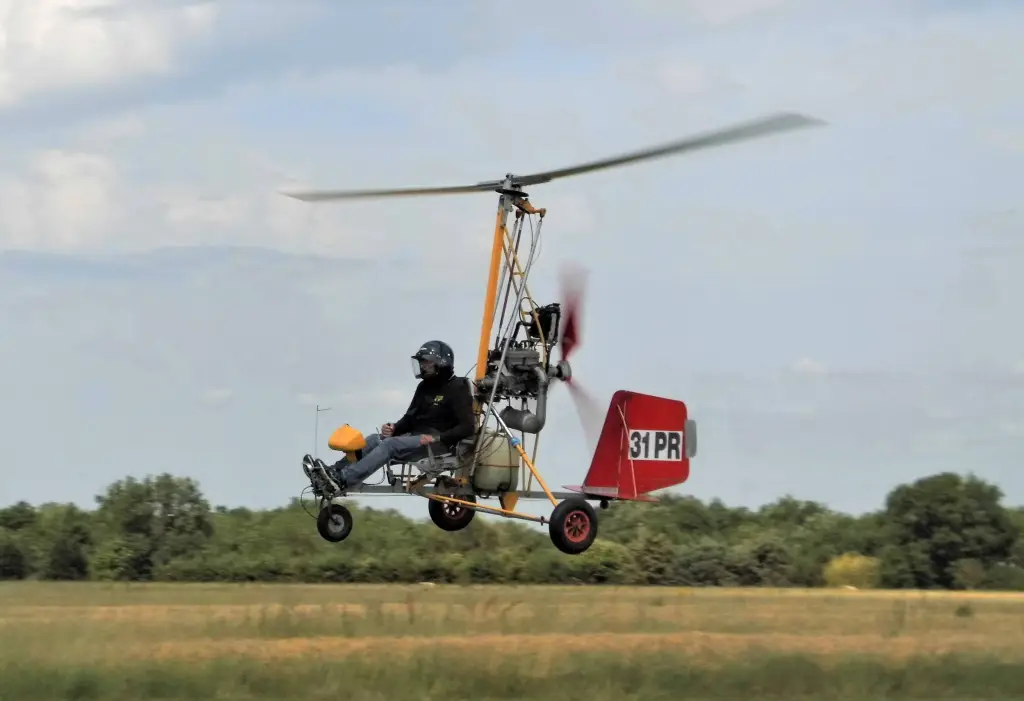
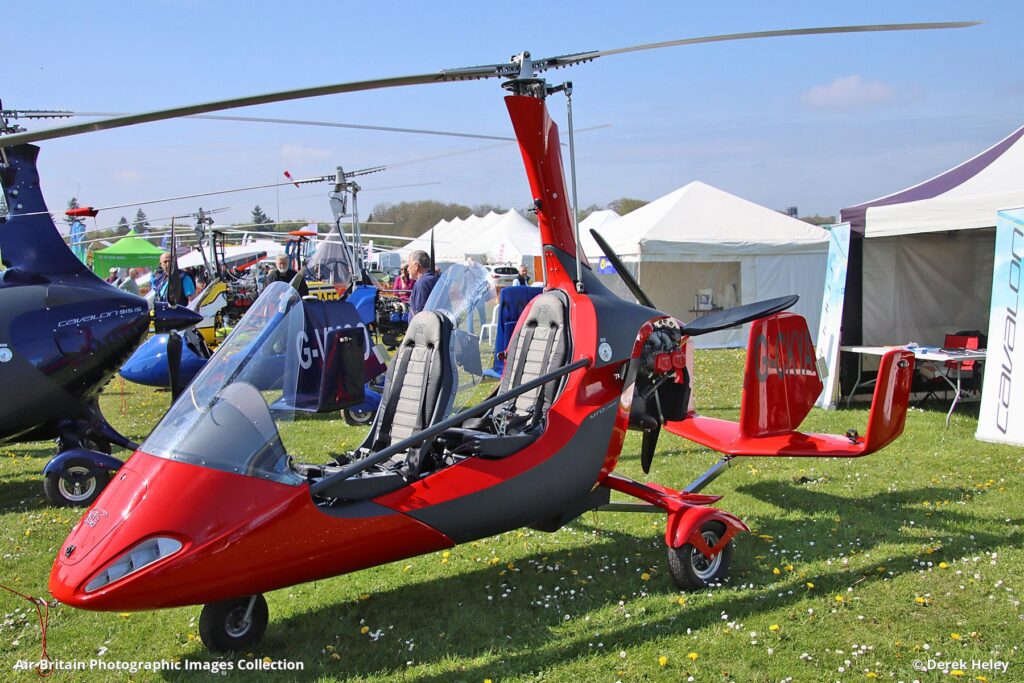
Open-Cockpit Gyroplanes
These aircraft feature exposed seating arrangements with minimal aerodynamic fairings. Pilots wear aviation headsets and typically fly in full flight gear, including helmets, jackets, and gloves.
Characteristics include:
- Open-air flying experience
- Lightweight construction
- Excellent visibility
- Lower purchase prices
- Simpler systems and maintenance
- Strong connection with the surrounding environment
Open-cockpit gyroplanes represent the purest form of recreational flying and are especially popular among aviation enthusiasts seeking maximum excitement.
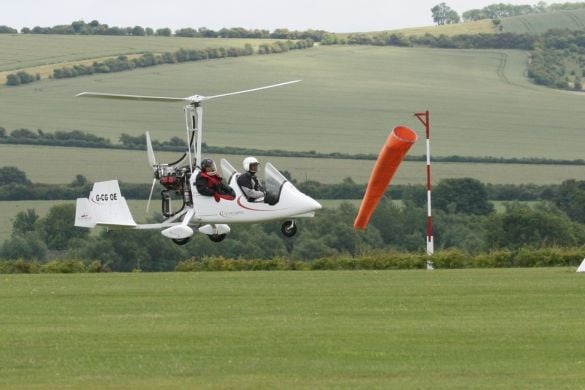
Enclosed-Cabin Gyroplanes
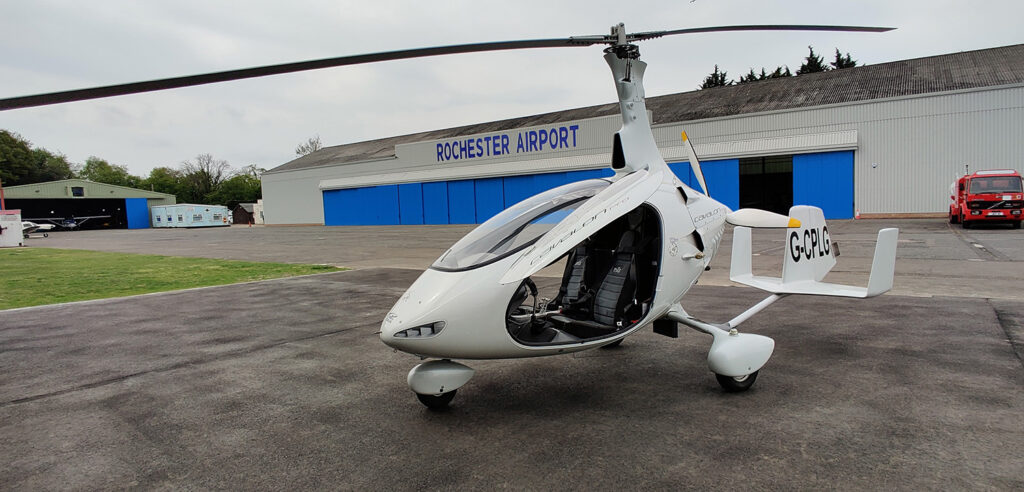
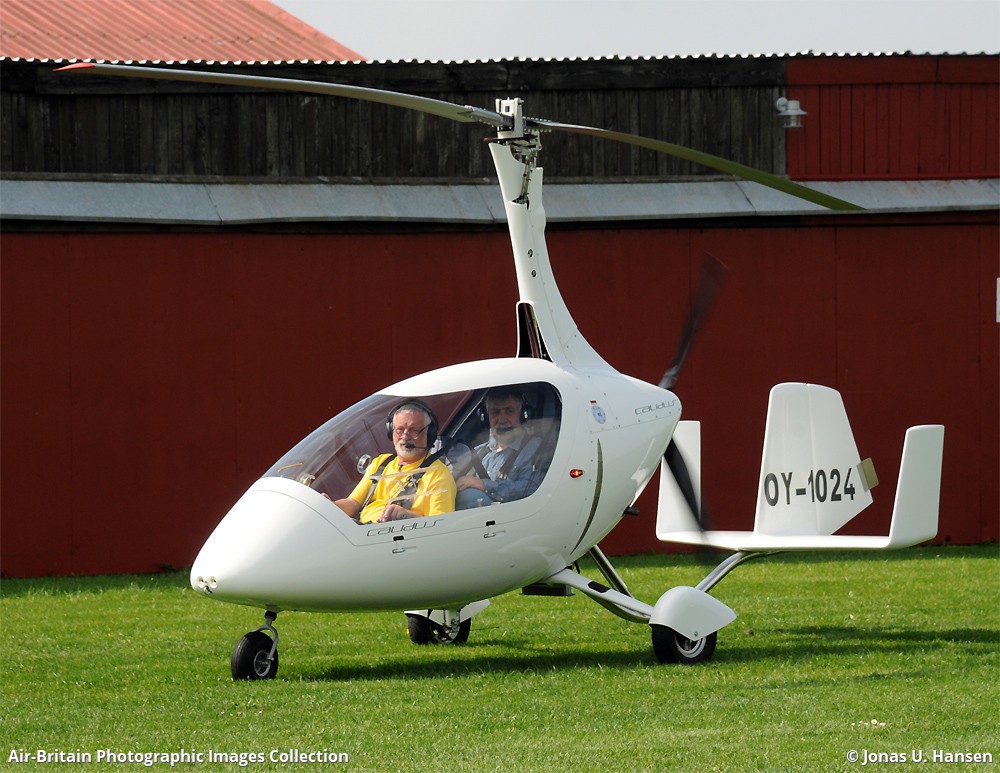
Enclosed gyroplanes incorporate a fully or partially enclosed cockpit that protects occupants from wind, rain, and low temperatures.
Modern enclosed models often include:
- Cabin heating systems
- Sliding or hinged doors
- Advanced avionics
- Noise insulation
- Increased luggage capacity
- Enhanced aerodynamic efficiency
They are particularly attractive for pilots interested in long-distance travel and year-round flying.
The Flying Experience: Freedom vs Comfort
The greatest difference between these two configurations is the flying experience itself.
Flying an Open-Cockpit Gyroplane
Pilots often describe open-cockpit flying as:
“Flying a motorcycle in the sky.”
Nothing separates you from the environment except your flight equipment. You can feel:
- Changes in temperature
- Airflow during climbs and descents
- The scent of forests and fields
- The sensation of speed
- The unique sounds of flight
Many experienced pilots consider this immersive experience impossible to replicate in any enclosed aircraft.
Open-cockpit flying offers:
- Maximum panoramic visibility
- Exceptional situational awareness
- Pure recreational enjoyment
- Unmatched aviation freedom
For local sightseeing flights, few experiences compare to cruising at low altitude with unrestricted views in every direction.
Flying an Enclosed-Cabin Gyroplane
Enclosed gyroplanes provide a significantly different experience.
Instead of exposure to the elements, pilots enjoy:
- Climate protection
- Reduced wind fatigue
- Increased comfort
- Improved communication
- Lower cockpit noise levels
Modern enclosed cabins are surprisingly sophisticated and often include:
- Heating systems
- Adjustable ventilation
- Glass cockpit displays
- USB charging ports
- Storage compartments
- High-quality aviation seating
For many owners, enclosed gyroplanes feel more like flying a modern touring aircraft than an ultralight rotorcraft.
Weather Considerations
Your local climate should play a major role in selecting your first gyroplane.
Open-Cockpit Flying Conditions
Open gyroplanes are best suited for:
- Warm climates
- Spring and summer flying
- Fair-weather operations
- Short recreational flights
Pilots must carefully consider:
- Temperature
- Wind chill
- Humidity
- Seasonal weather changes
For example, a comfortable 20°C (68°F) day on the ground can feel considerably colder at altitude due to airflow and wind exposure.
Cold-weather flying requires:
- Thermal flight clothing
- Gloves
- Flight helmets
- Protective eyewear
- Windproof equipment
Flying during autumn or winter may become less enjoyable unless properly equipped.
Enclosed-Cabin Flying Conditions
Enclosed gyroplanes significantly expand your operational possibilities.
They perform exceptionally well in:
- Cooler climates
- Early spring
- Late autumn
- Long-distance flights
- High-altitude operations
Advantages include:
- Cabin heating
- Rain protection
- Improved passenger comfort
- Reduced wind fatigue
- Greater weather flexibility
Pilots living in Northern Europe, Canada, or other colder regions often prefer enclosed models for practical reasons.
Purchase Costs
Budget is naturally one of the most important considerations for first-time buyers.
Open-Cockpit Gyroplanes
Generally offer:
- Lower acquisition costs
- Reduced maintenance expenses
- Simpler construction
- Lower repair costs
Their design philosophy focuses on simplicity and lightweight engineering.
They are ideal for:
- Beginner pilots
- Weekend recreational flyers
- Budget-conscious owners
- Flight schools
Lower complexity often translates into lower ownership costs over time.
Enclosed-Cabin Gyroplanes
Typically cost more because of additional components such as:
- Cabin structures
- Doors and windows
- Heating systems
- Advanced instrumentation
- Improved aerodynamic fairings
- Additional comfort features
However, owners often consider these expenses worthwhile due to:
- Greater utility
- Increased flying time throughout the year
- Improved passenger experience
- Better touring capabilities
Performance Differences
Many first-time buyers assume enclosed gyroplanes are heavier and therefore less efficient. While cabin structures do add weight, modern aerodynamic designs have significantly reduced performance penalties.
Open-Cockpit Performance
Advantages:
- Lower empty weight
- Excellent climb performance
- Simpler aerodynamics
- Exceptional maneuverability
Ideal for:
- Sport flying
- Scenic tours
- Local flights
- Flight training
Enclosed-Cabin Performance
Advantages:
- Improved aerodynamic efficiency
- Higher cruising comfort
- Better long-range capabilities
- Reduced drag at cruising speeds
Modern enclosed gyroplanes are commonly used for:
- Cross-country touring
- Multi-hour flights
- Aviation tourism
- Passenger transportation
The performance gap between the two categories has become increasingly small thanks to advances in composite materials and aircraft design.
Passenger Comfort
If you intend to fly with friends or family, passenger comfort becomes particularly important.
Open Cockpit
Passengers enjoy:
- Incredible visibility
- Exciting open-air sensations
- Unique flying experiences
However, they may also experience:
- Wind exposure
- Increased noise
- Temperature fluctuations
- Greater physical fatigue on longer flights
Open-cockpit gyroplanes are unforgettable but may not suit every passenger.
Enclosed Cabin
Passengers benefit from:
- Weather protection
- Reduced fatigue
- Comfortable seating
- Improved communication
- Better accessibility
For couples or aviation enthusiasts planning regular touring flights, enclosed models often provide a more versatile experience.
Maintenance Considerations
Maintenance requirements differ slightly between the two configurations.
Open Gyroplanes
Typically involve:
- Easier visual inspections
- Simpler component access
- Fewer moving cabin parts
- Reduced structural complexity
Maintenance tasks are generally straightforward and may be less time-consuming.
Enclosed Gyroplanes
Additional components require attention, including:
- Cabin seals
- Door mechanisms
- Heating systems
- Window maintenance
- Interior fittings
While modern enclosed gyroplanes are highly reliable, they naturally include more systems that require periodic inspection.
Which Gyroplane Is Best for Flight Training?
Both configurations are widely used in flight schools around the world.
Open-cockpit trainers are excellent for:
- Understanding airflow characteristics
- Developing situational awareness
- Building confidence in basic maneuvers
Enclosed trainers provide:
- Improved communication
- Greater comfort during longer lessons
- Better weather flexibility
Your training environment and local aviation infrastructure will often influence which type is most practical.
Open or Enclosed: Which Pilot Are You?
Choose an Open-Cockpit Gyroplane If You:
- Love adventure and outdoor experiences.
- Primarily fly recreationally.
- Live in a warm climate.
- Prefer lower acquisition costs.
- Enjoy minimalist aircraft design.
- Want maximum sensory engagement during flight.
Choose an Enclosed-Cabin Gyroplane If You:
- Plan frequent cross-country flights.
- Fly throughout the year.
- Value comfort and weather protection.
- Often carry passengers.
- Appreciate modern avionics.
- Prefer touring capabilities and longer flights.
Can You Upgrade Later?
Many gyroplane owners eventually own or fly both configurations.
A common progression looks like this:
- Begin flight training.
- Purchase an open-cockpit model for recreational flying.
- Gain experience and flight hours.
- Upgrade to an enclosed touring gyroplane.
Others take the opposite approach by starting with a modern enclosed aircraft and enjoying its versatility from day one.
There is no universally correct choice—only the aircraft that best matches your flying goals.
Final Thoughts
Choosing your first gyroplane is about more than specifications and price tags. It is about defining the kind of pilot you want to become.
Open-cockpit gyroplanes deliver an exhilarating, immersive flying experience that captures the essence of recreational aviation. They are simple, lightweight, and incredibly enjoyable for fair-weather flying.
Enclosed-cabin gyroplanes, on the other hand, offer comfort, practicality, and all-season versatility. Their modern designs have made gyroplane touring more accessible than ever before, allowing pilots to enjoy longer journeys in virtually any suitable flying conditions.
Whether you prefer the wind in your face or the comfort of a heated cabin, today’s gyroplane market offers exceptional options for every type of pilot. The best gyroplane is ultimately the one that inspires you to fly more often, explore farther, and enjoy every minute spent in the sky.